


News
Players
Tournaments

News
Players
Tournaments


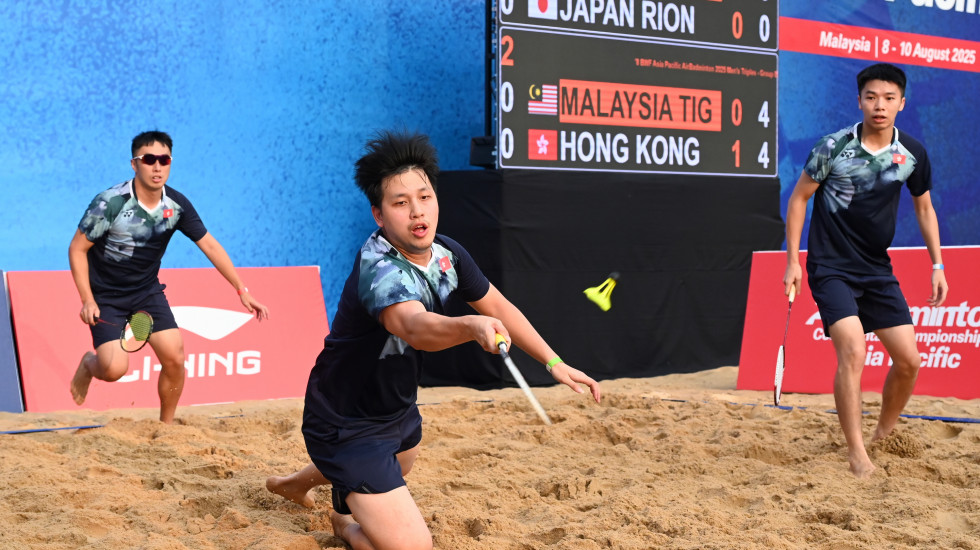
Hong Kong China Shine on Sand
Did you catch the BWF AirBadminton Asia Pacific Continental Championships 2025 at Port Dickson, Malaysia over the weekend? If you haven’t, we suggest you do!
It was perhaps the best glimpse yet that AirBadminton is here to stay. The incredibly high standard of performance a clear indication of the growing interest in the game.
We had players of all ages and backgrounds representing their teams. For China, Korea and Japan, it was a mix of university players – many just returning from the World University Games last month.
Malaysia had a youth policy, taking the best juniors from the Kuala Lumpur state team. Others used pathway players on the cusp of the elite level.
For Hong Kong China, the most dominant team on show, it was a squad of former seasoned tour players, now furnished into professional AirBadminton athletes.
Their tally of two gold and one silver just reward for the time, effort, commitment and passion they have poured into AirBadminton over the last few years.
Leading the way was former Top 10 men’s singles star Wong Wing Ki Vincent, whose leadership, tactical acumen, and sublime skills steered his Hong Kong China to victory in the Team Relay.
“It’s a milestone victory for us. We’ve created history for Hong Kong,” said Wong.
“After the group stage, we knew we had the confidence and experience to win this. The goal was to get the trophy and the gold medal. It was very exciting.
“We were a little nervous in the quarterfinal but after that we played with great stability and control.”

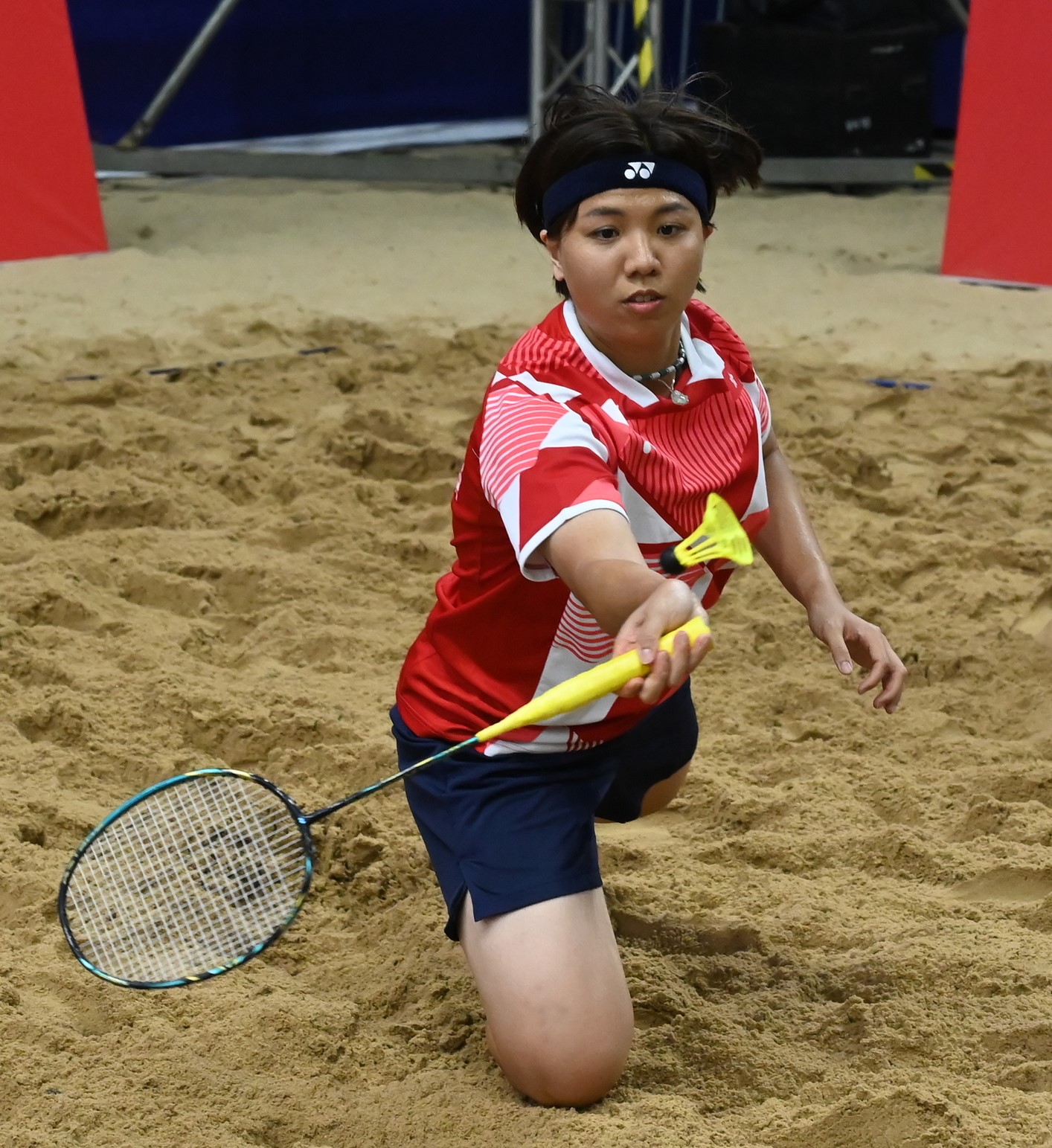
Hong Kong China and their vanquished opponents in the final, Indonesia, along with the third placed China all qualified for the BWF AirBadminton World Cup 2025 to be staged in Sharjah, UAE from 11-14 December.
For the victors, it was an improvement on their bronze medal from two years ago. In fact, they were the only team to return with the same faces from the inaugural Asian championships two years ago.
That experience and familiarity with AirBadminton clearly showing.
“Six of us are ex-players, and we are the same team from two years before. None of us have been to UAE before so that is exciting,” he added.
Vincent urged more of his fellow ex-tour players to consider making the switch to AirBadminton.
“This week I was the only former Top 10 player here. In the future I hope I can bring more other retired players to come and play AirBadminton,” Wong said.
“The main reason I retired was my right ankle injury. I could never fix it. But as AirBadminton is played on sand there is less pressure on my foot and I feel really good.
“My athlete life is coming back now. I’ve always loved playing competitions but that was taken away with my injury.
“So, making the World Cup and competing again is very exciting.”
Indonesia proved they will forever be strong exponents of AirBadminton with their penchant for highly skilled, fast, midcourt doubles transitioning well to the sand.
They added Men’s Triples gold to their bag of silvers from the Team Relay and Women’s Triples.


BWF World Tour News
Canada Open: Clean Sweep by Japan
6 July 2026
Canada Open: Okimoto Halts Lai’s Home Title Bid
5 July 2026
Where To Watch: YONEX Canada Open 2026
3 July 2026
Smashing Stats: Canada Open 2026
1 July 2026
BWF World Tour Calendar 2027-2028 Announced
30 June 2026
Canada Open: All Eyes on Lai
30 June 2026
US Open: Su, Christophersen Break Title Jinx
29 June 2026
US Open: Su Ends Chouhan’s Dream Run
28 June 2026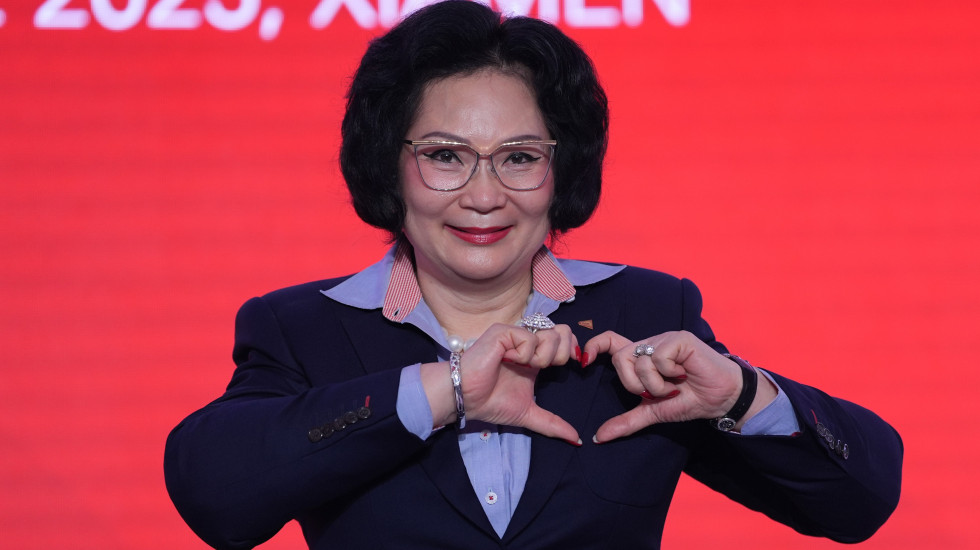
Khunying Patama Leeswadtrakul Confirmed BWF President 2025-2029
Thailand’s Khunying Patama Leeswadtrakul has been confirmed new BWF President at the 86th BWF Annual General Meeting in Xiamen, China held Saturday 26 April 2025.
Khunying Patama Leeswadtrakul is the second woman president of the Badminton World Federation. She won unopposed.
“For me, badminton has always been more than a sport and tonight marks a deeply meaningful milestone,” said Khunying Patama.
“While badminton is in a strong position today, we must continue to work towards making badminton a truly global sport.
“The next Olympic and Paralympic Games in Los Angeles are just three years away and LA28 presents a powerful opportunity to elevate our sport on the world stage. We must be ready to grab this moment.”
Khunying Patama succeeds Denmark’s Poul-Erik Høyer, whose 12-year tenure as BWF President ends today.
Høyer was awarded Honorary Life Vice President by the BWF membership at the AGM.
Khunying Patama added: “Badminton has come a long way over the past decade, and I am truly grateful for the strong foundations that have been laid by my good friend Poul-Erik Høyer.
“Thank you so much for everything you have done for badminton, as a champion on court, a visionary administrator, and, above all, as a wonderful person.
“It is both a privilege and a great responsibility to accept the baton of leadership from you. You have set a high standard for us all to follow.”
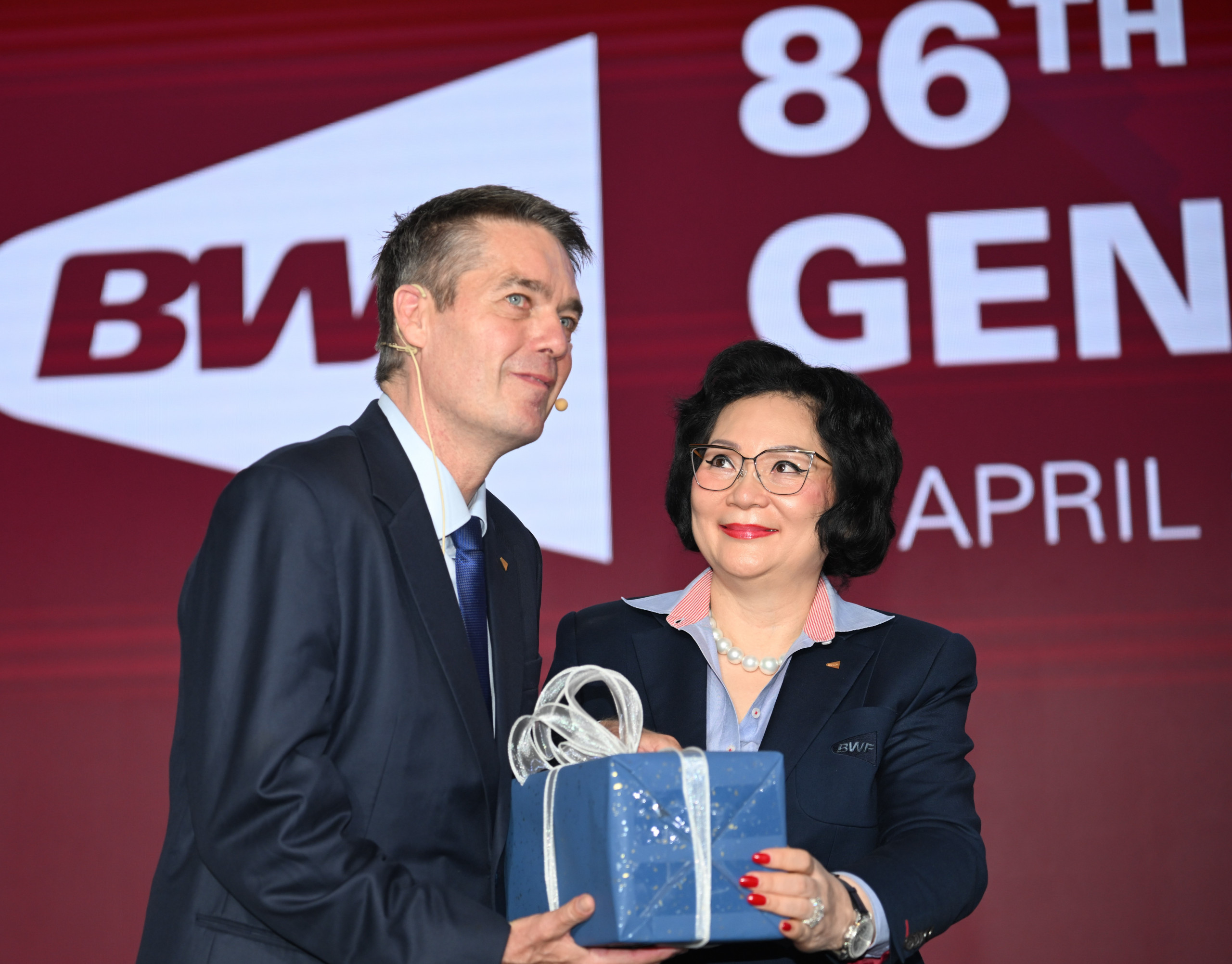
Høyer reflected on his 12-year term, the growth of the sport, and his wishes for the future.
“It’s a great honour to pass on the baton of BWF President to my dear friend and colleague Khunying Patama Leeswadtrakul,” said Høyer.
“I am sure badminton and the BWF will continue to grow and blossom under your leadership and guidance.
“Badminton has been such a big part of my life for so many years now, both on and off the court.
“And I am so proud of the transformations we have collectively made together over the last 12 years to take the sport to where it is today.
“Continuity, innovation and capacity building are core elements I would like to see the Federation champion over the next four years heading into Los Angeles 2028 and beyond.”
Long-serving BWF Council member and Paris 2024 CEO Etienne Thobois of France was confirmed as Deputy President. He was the sole candidate for the position.
Thobois said: “I’m very excited personally to work with Khunying Patama and the team to further the sport’s global footprint.
“We now have a great challenge ahead of us to keep badminton relevant and exciting for the masses around the world. And the good news is that we are already in a strong position and we are working from a solid strategic blueprint that can help us narrow the gap between badminton and other leading global sports.
“I also want to share my deep admiration for Poul-Erik. He is a true hero. We go back a long time from our playing days, including Atlanta 1996, and we even share the same birthdate. He was an inspiration then, and is still an inspiration now. To see him go out on his own terms today and show amazing strength in leadership is reflective of who he is as a person. He is a living testimony of what the word resilience means and is wonderful example for the badminton community.”
France’s Richard Perot was successful in the election for BWF Vice President Para Badminton over incumbent Paul Kurzo. Perot said he was eager to elevate the sport to new heights.
“My vision is to set a more global and geographically balanced sport where all countries are having the necessary resources to push their boundaries.
“A sport that breaks the barriers and gives every child, disable or not, whatever their social origin, colour of skin, gender or religion, a chance to play for life and achieve their dream to become a champion.”
20 new BWF Council members were also elected in accordance with Continental and gender quotas outlined in the BWF Constitution.
| 1. Andoni Azurmendi Ibarrola (ESP) | 11. Mohamad Norza Zakaria (MAS) |
| 2. Bambang (Rudy) Roedyanto (INA) | 12. Nora Perry (ENG) |
| 3. Charlotte Dew-Hattens (DEN) | 13. Odette Assembe Engoulou (CMR) |
| 4. Francis Orbih (NGR) | 14. Pilar Carrillo la Fuente (PER) |
| 5. Jan Helmond (NED) | 15. Rukhshona Narzulloeva (TJK) |
| 6. Jo ‘Anne Cassar (MLT) | 16. Sawsan Taqawi (BRN) |
| 7. Jose Gabriel del Busto Fernandez (GUA) | 17. Sven Serre (BEL) |
| 8. Julie McDonald (AUS) | 18. Taleh Ziyadov (AZE) |
| 9. Kim Jong Soo (KOR) | 19. Wajid Ali Chaudhry (PAK) |
| 10. Mitsuru Murai (JPN) | 20. Zhang Jun (CHN) |
*alphabetical order by surname
The 23 new BWF Council members elected today join the five Continental Vice Presidents and Chair of the Athletes’ Commission currently serving their terms.
- Michel Bau (Vice President – Africa)
- Jassem Kanso (Vice President – Asia)
- Robbert de Kock (Vice President – Europe)
- Loke Poh Wong (Vice President – Oceania)
- Vishu Tolan (Vice President – Pan Am)
- Greysia Polii (Chair – Athletes’ Commission)
BWF Updates
- During today’s AGM, the BWF membership formalised the permanent banning of the ‘spin serve’ as per Law 9.1.5.
- The next BWF AGM is planned for April or May 2026 in conjunction with the BWF Thomas & Uber Cup Finals 2026 in Horsens, Denmark. The exact date will be announced before 31 October 2025.
- BWF can confirm Richard Vaughan as the new Chief Operating Officer, who began on 1 April 2025. Vaughan has joined as part of BWF succession plans that will see him replace Stuart Borrie who has served as COO for over 17 years.
- Borrie will remain with the BWF during a transition period in a new Project Director role in order to ensure a smooth onboarding for Vaughan, as well as creating added capacity to develop badminton even further in the years to come.
Member Association Awards 2025
- BWF Membership Grant Programme Impact Award
- Federation Nacional de Badminton de Honduras
- Participation Award
- Federation Francaise de Badminton
- Inclusion Award (joint winners)
- Azerbaijan Badminton Federation
- Federation Senegalaise de Badminton
- Promotion Award
- Egyptian Badminton Federation
BWF World Tour News
Canada Open: Clean Sweep by Japan
6 July 2026
Canada Open: Okimoto Halts Lai’s Home Title Bid
5 July 2026
Where To Watch: YONEX Canada Open 2026
3 July 2026
Smashing Stats: Canada Open 2026
1 July 2026
BWF World Tour Calendar 2027-2028 Announced
30 June 2026
Canada Open: All Eyes on Lai
30 June 2026
US Open: Su, Christophersen Break Title Jinx
29 June 2026
US Open: Su Ends Chouhan’s Dream Run
28 June 2026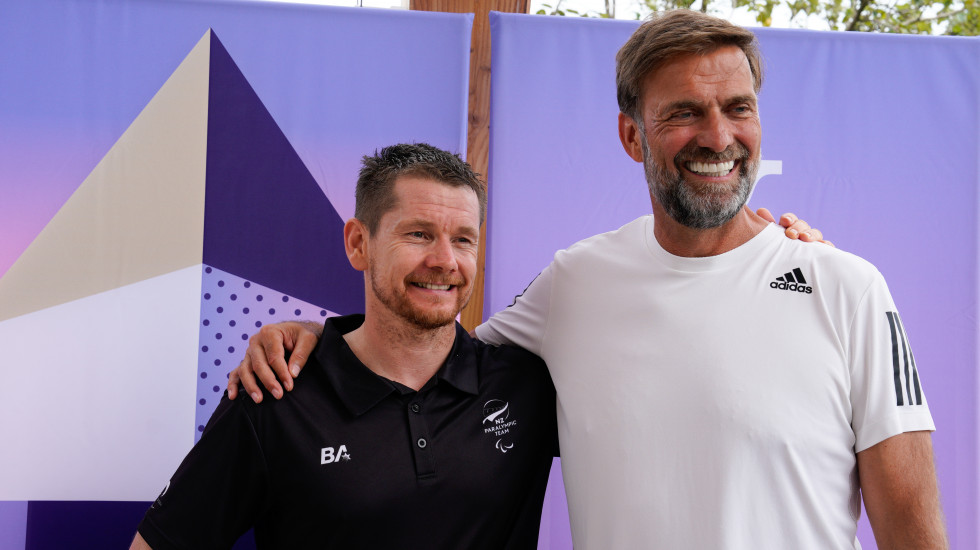
‘His Story Must be Told’
“I have told his story 500 times and it must be told 500 more times. It’s the most inspiring story I have ever heard,” said former Liverpool Football Club Manager Jurgen Klopp as he spoke to media after watching his friend SL3 player Wojtek Czyz compete on Day 1 of the Paris 2024 Paralympic Games.
“It’s just not normal, especially his sailing story and he didn’t even know how to sail,” said Klopp, referring to Czyz’ five-year sailing trip around the world several years ago. “His story is so inspiring, so special and the world needs to hear it.”
Czyz struck up a friendship with the German manager more than 20 years ago with Klopp heralding Czyz’s ‘crazy story’ to media post-match. The two revived their friendship playing frisbee on a beach before Klopp took over the high-profile role at Liverpool FC and Czyz went sailing around the world with his wife donating prostheses to those who couldn’t afford it.
“I said to Jurgen back then on the beach, ‘Hey, what are you doing here?’. And now all those years later, here we are,” said Czyz.
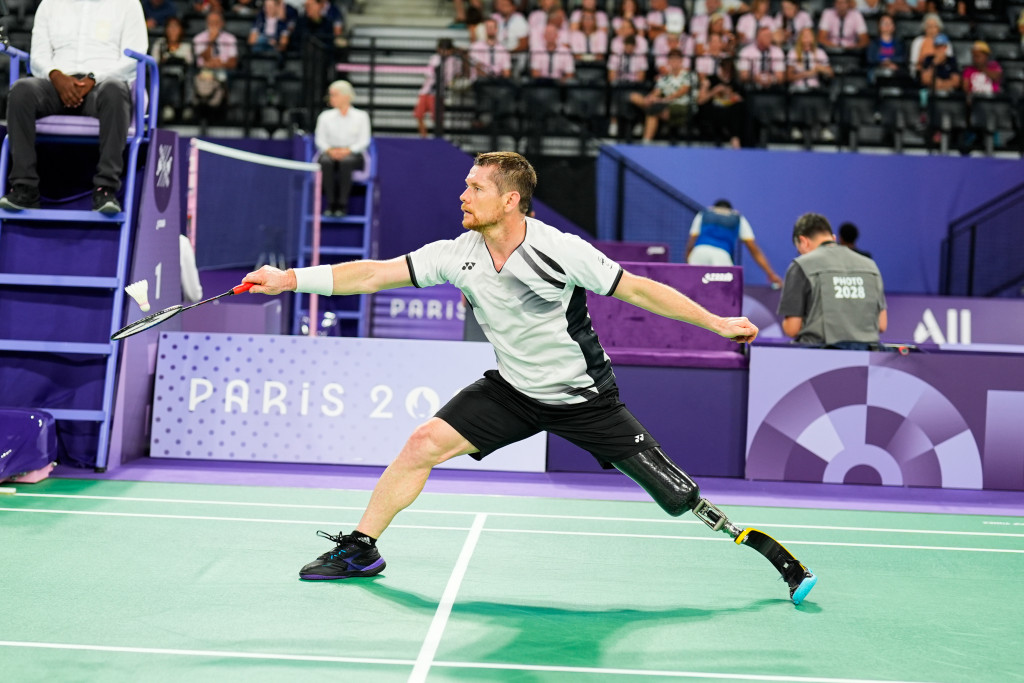
Czyz was a 21-year-old footballer with SC Fortuna Koln when during a match the opposing team’s goalkeeper crashed into him causing multiple fractures and his leg to be amputated.
Not to be stopped, Czyz then went on to have a stellar athletics career, winning gold medals in 100m, 200m and long jump at the Athens 2004 and Beijing 2008 Paralympics, as well as multiple world titles.
After more than a decade of professional athletics, he retired in 2013 and went sailing around the world, ending up in New Zealand, where he and his wife relocated permanently, started a family, and now run a manuka honey farm. Incredibly, he only took up Para badminton three years ago.
Speaking from the Porte de la Chapelle Arena, Klopp said of Czyz’s performance: “I enjoyed watching the match. Well, the seven points that he [Wojtek] won, ha ha ha,” he said jokingly, acknowledging the 21-5 21-2 result against Great Britain’s No.1 seed, Daniel Bethell.
“I sat next to his incredible wife, Elena, and we both had tears in our eyes. Sport can be about results and winning, but there’s much more behind his story. He’s 44-years-old. I can’t get my head around it.
“Yes, he played the best in the world today, but I enjoyed every second of it. We celebrated each point and we kept going. It was pure joy. I couldn’t be prouder of Wojtek and to be here.”
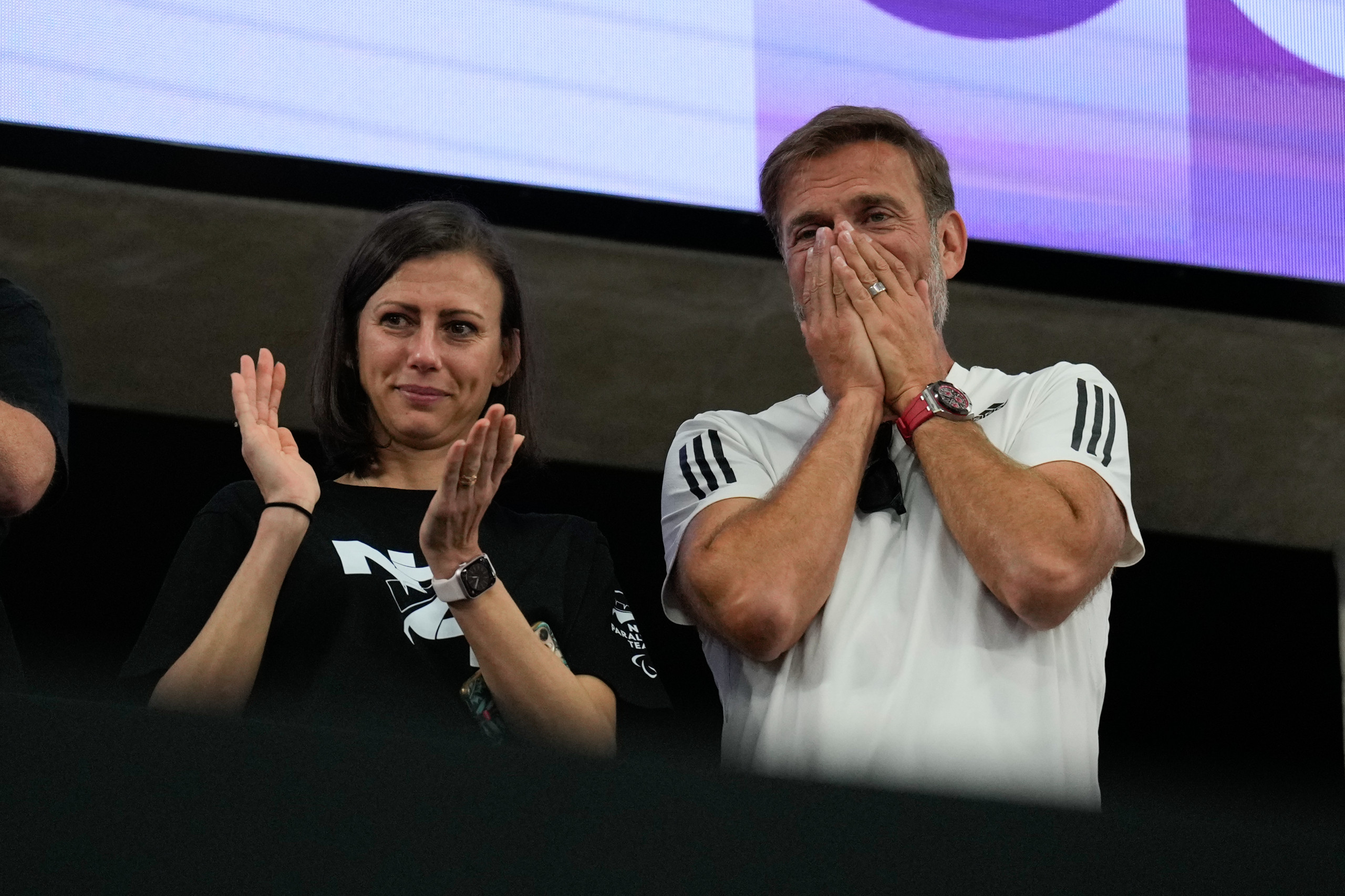
Czyz said of the experience: “Maybe it wasn’t the best match to have Jurgen watch me, when you’re playing against the best in the world. I think you’re looking at the gold medallist right there.
“But we’re here to advocate the sport for the future. If we can do something and that gives the next generation access to disabled sport and better support, then that’s great.
“With Jurgen’s presence, I think it’s a great statement that we need for Para badminton and that makes me very proud of him, and I’m really thankful for that.”
For the ex-Liverpool man, being in Paris for the Paralympics and supporting Wojtek is part of his quest to help increase the exposure of Para sports.
“I went to the Opening Ceremony and it was spectacular, like a Taylor Swift concert. I saw China and Brazil with these huge delegations of athletes and I was blown away. I didn’t expect that.
“The greatest stories are in Para sports. I am always trying to watch as many Para events as possible and it’s made easier these days with streaming. The whole thing has been wonderful and I’m just glad to support my friend,” said a smiling Klopp.
BWF World Tour News
Canada Open: Clean Sweep by Japan
6 July 2026
Canada Open: Okimoto Halts Lai’s Home Title Bid
5 July 2026
Where To Watch: YONEX Canada Open 2026
3 July 2026
Smashing Stats: Canada Open 2026
1 July 2026
BWF World Tour Calendar 2027-2028 Announced
30 June 2026
Canada Open: All Eyes on Lai
30 June 2026
US Open: Su, Christophersen Break Title Jinx
29 June 2026
US Open: Su Ends Chouhan’s Dream Run
28 June 2026
2022汇丰世界羽联世界巡回赛总决赛迁往曼谷举办
世界羽毛球联合会(BWF)宣布2022汇丰世界羽联世界巡回赛总决赛将不继续在中国广州举办。
赛事将迁往泰国曼谷Nimibutr体育馆举办,由于场馆档期和比赛地变更,比赛日期为12月7日至11日,比广州原计划日期提前一周。
世界羽联经与中国羽毛球协会(CBA)协商后同意,鉴于目前疫情形势带来的各种挑战,易地举办2022汇丰世界羽联世界巡回赛总决赛。
世界羽联感谢中国羽毛球协会、广州市政府和广州市体育局所作的出色工作。
世界羽联还要感谢泰国羽毛球协会在这么短的时间内为2022汇丰世界羽联世界巡回赛总决赛提供替代举办地点。
2022汇丰世界羽联世界巡回赛总决赛的参赛运动员名单将在11月22日澳大利亚公开赛结束后确认。
BWF World Tour News
Canada Open: Clean Sweep by Japan
6 July 2026
Canada Open: Okimoto Halts Lai’s Home Title Bid
5 July 2026
Where To Watch: YONEX Canada Open 2026
3 July 2026
Smashing Stats: Canada Open 2026
1 July 2026
BWF World Tour Calendar 2027-2028 Announced
30 June 2026
Canada Open: All Eyes on Lai
30 June 2026
US Open: Su, Christophersen Break Title Jinx
29 June 2026
US Open: Su Ends Chouhan’s Dream Run
28 June 2026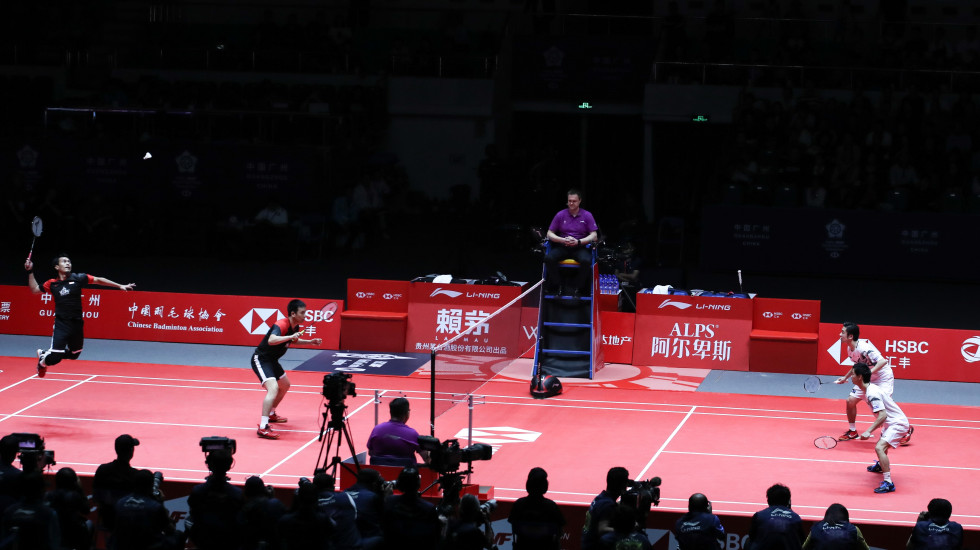
2022年汇丰世界羽联世界巡回赛总决赛重回广州
世界羽联确认,2022年汇丰世界羽联世界巡回赛总决赛将于12月14日至18日在广州举办。这是继2019年之后,中国大陆首次举办国际羽毛球巡回赛。
本赛季各单项最顶尖的八位/组球员将在广州天河体育馆标志性的红色地胶上争夺赛季末的最高荣誉,以及羽毛球史上最高的奖金池——150万美元。
世界羽联秘书长托马斯·伦德表示,国际羽毛球巡回赛再次回到中国对这项运动来说是积极的一步。
伦德说:“汇丰世界羽联世界巡回赛总决赛是我们一年中最重要的赛事之一,我们很高兴能与中国羽协、广州市政府和我们的主要合作伙伴汇丰银行合作,将总决赛带回广州。”
“我们也感谢中国政府向世界顶级羽毛球运动员发出邀请,我们仍然有信心,我们的东道主将以最高标准为运动员提供安全和舒适的总决赛。”
“广州已经在2018年和2019年举办了两届精彩的汇丰世界羽联世界巡回赛总决赛,我们期待着为中国的球迷们再次举办一场羽球盛会。”
赛季缩短
即将在10月和11月举行的巡回赛是球员们争夺总决赛积分的最后机会,伦德也确认了2022中国常州公开赛(超级1000)和2022中国福州公开赛(超级750)已被取消。
伦德表示:“遗憾的是,原本在常州和福州举办两站公开赛的计划将无法推进。对于羽毛球界来说,这是至关重要的一年,我们非常自豪能够举办汇丰世界羽联世界巡回赛的绝大部分比赛。现在的焦点转向了未来几周将举办的汇丰世界羽联世界巡回赛和赛季末的总决赛,在未来几周球员们将为了更多的积分而奋战。”
BWF World Tour News
Canada Open: Clean Sweep by Japan
6 July 2026
Canada Open: Okimoto Halts Lai’s Home Title Bid
5 July 2026
Where To Watch: YONEX Canada Open 2026
3 July 2026
Smashing Stats: Canada Open 2026
1 July 2026
BWF World Tour Calendar 2027-2028 Announced
30 June 2026
Canada Open: All Eyes on Lai
30 June 2026
US Open: Su, Christophersen Break Title Jinx
29 June 2026
US Open: Su Ends Chouhan’s Dream Run
28 June 2026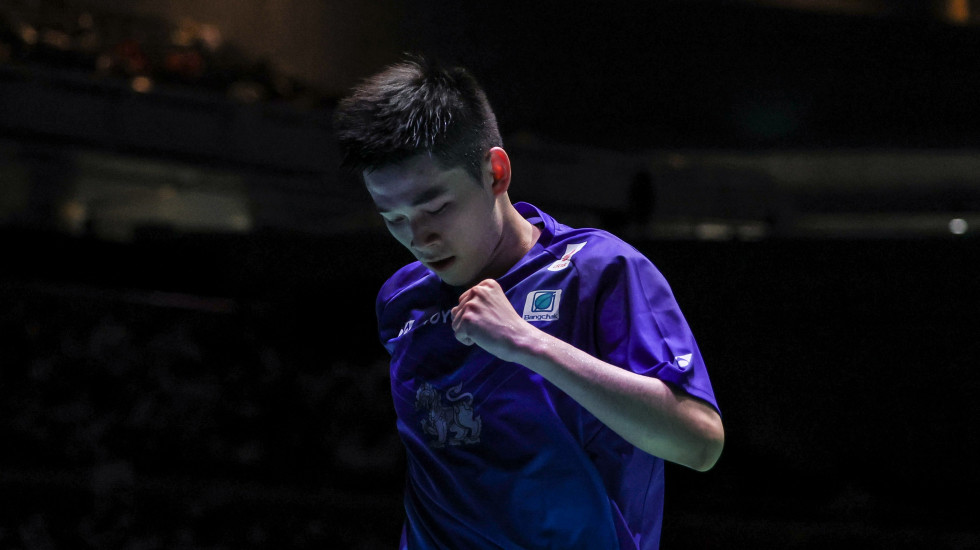
东京世锦赛半决赛:中国队三项进决赛
2022年道达尔能源世界羽联羽毛球世锦赛五个单项决赛选手全部产生。中国队在女单、女双和混双项目中各获一个决赛席位,分别是:陈雨菲、陈清晨/贾一凡和郑思维/黄雅琼。其中陈雨菲击败戴资颖,中国队女单时隔八年重返世锦赛决赛。
中国男单选手赵俊鹏以20-22、6-21不敌泰国选手昆拉武特,无缘决赛,获得其职业生涯第一块世锦赛铜牌。昆拉武特成为了世界羽联世锦赛男单决赛中第一位泰国选手,将在决赛中面对安赛龙。
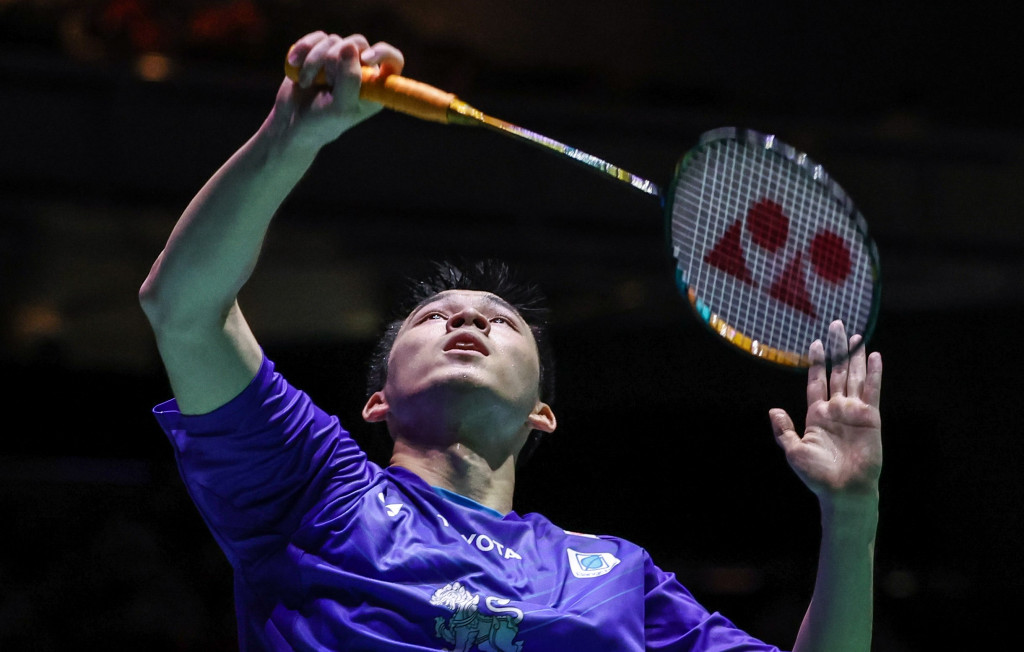
昆拉武特赛后采访时说道:“我很高兴,这是我第二次参加世锦赛。在第一局比赛中我确实犯了一些错误,但在第二局比赛中我可以很好地控制球。我的注意力集中在控制上,因为球场有风。我期待着在决赛中与安赛龙交手。我想向他学习,他是如何在每场比赛中都打得那么好。我没有压力,因为他是最受欢迎的。”
另一场男单半决赛,安赛龙以2-0的战绩击败了周天成,在第二局14比16落后的情况下,安赛龙积极调整心态,并在接下来的8分中拿下了7分,终结了比赛的悬念。
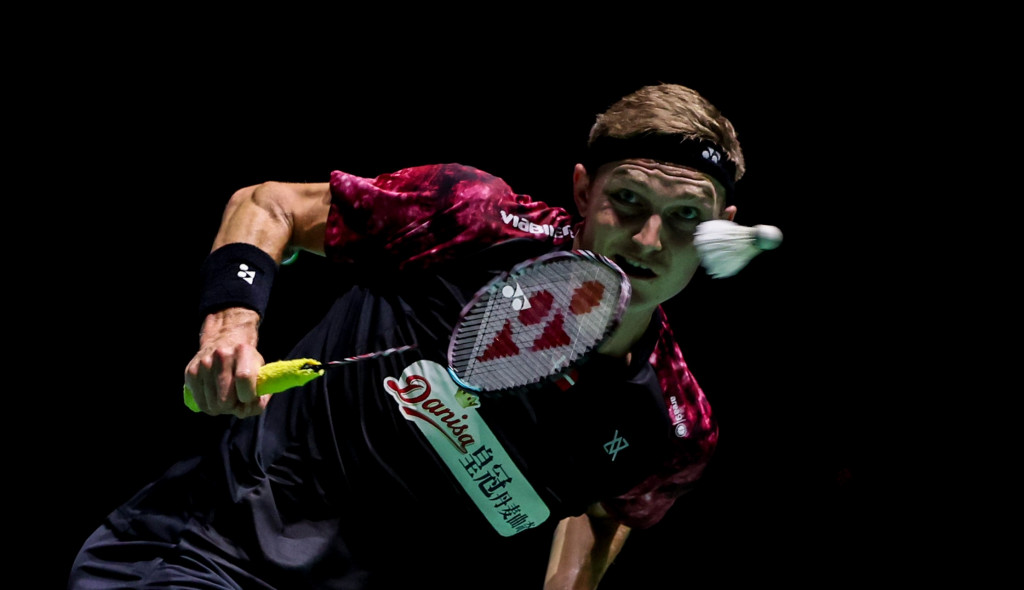
“我很高兴我在第二局比赛中取得了进步。对手给了我很大的困难,但在精神上,我成功地加快了步伐,这意味着我可以赢得比赛。我告诉自己,我必须专注于每一分,认真防守。我做到了,并且赢得了一些关键的分数。”关于决赛,安赛龙说:“我对自己现在的状态非常满意,我很享受。我不会考虑谁是弱者,谁不是。我期待着明天一场精彩的比赛。这将是艰难的。”
女单决赛将由奥运会冠军陈雨菲对阵卫冕冠军山口茜。半决赛中,陈雨菲以15-21丢掉首局后,以21-14、21-18连扳两局,成为李雪芮在2014年世锦赛获得亚军以后,首位打入女单决赛的中国队选手。山口茜在另外一场比赛中快速战胜了韩国选手安洗莹,晋级决赛。
陈雨菲在赛后采访时表示:“因为这次比赛球比较慢,在场上对抗的拍数会很多,自己在比赛中一直没有放弃,通过多拍相持去逼迫对手失误。”谈到决赛,陈雨菲坦言“全力以赴展示最好的自己,不留遗憾。”
女双比赛中,头号种子陈清晨/贾一凡迎战日本组合松本麻佑/永原和可那,陈清晨/贾一凡以21-13、21-14击败曾同为两届世锦赛冠军的松本麻佑/永原和可那,将与韩国组合金昭映/孔熙容争夺冠军,后者在半决赛中以2-1险胜泰国组合菩提塔/沙西丽。
混双半决赛,头号种子郑思维/黄雅琼经过三局苦战,以21-16、12-21、21-10战胜了队友王懿律/黄东萍,第三次闯入决赛。他们决赛的对手是日本组合渡边勇大/东野有纱。
BWF World Tour News
Canada Open: Clean Sweep by Japan
6 July 2026
Canada Open: Okimoto Halts Lai’s Home Title Bid
5 July 2026
Where To Watch: YONEX Canada Open 2026
3 July 2026
Smashing Stats: Canada Open 2026
1 July 2026
BWF World Tour Calendar 2027-2028 Announced
30 June 2026
Canada Open: All Eyes on Lai
30 June 2026
US Open: Su, Christophersen Break Title Jinx
29 June 2026
US Open: Su Ends Chouhan’s Dream Run
28 June 2026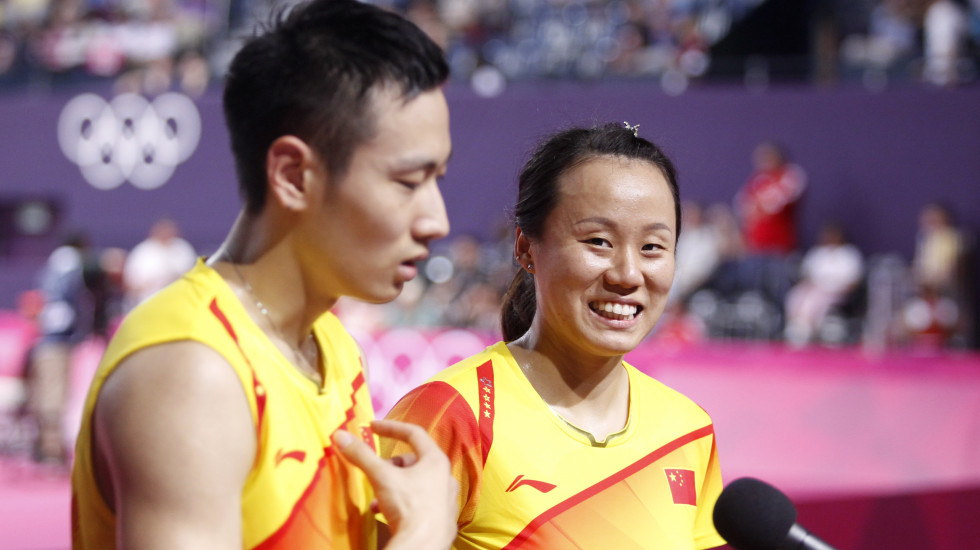
赵芸蕾入选2022年世界羽联名人堂
中国羽毛球双打传奇赵芸蕾入选2022年世界羽毛球联合会(BWF)名人堂,一同入选的还有与其同时代征战羽坛的印尼双打名将莉莉亚娜·纳西尔。
赵芸蕾是她那个时代最全能的双打运动员。 在很长一段时间内,她在混双和女双两个项目中的统治地位无人能及。退役后, 她成为了史上最优秀的羽毛球运动员之一——细数她职业生涯中所获得的冠军头衔,包括两枚奥运会金牌和五枚世锦赛金牌。
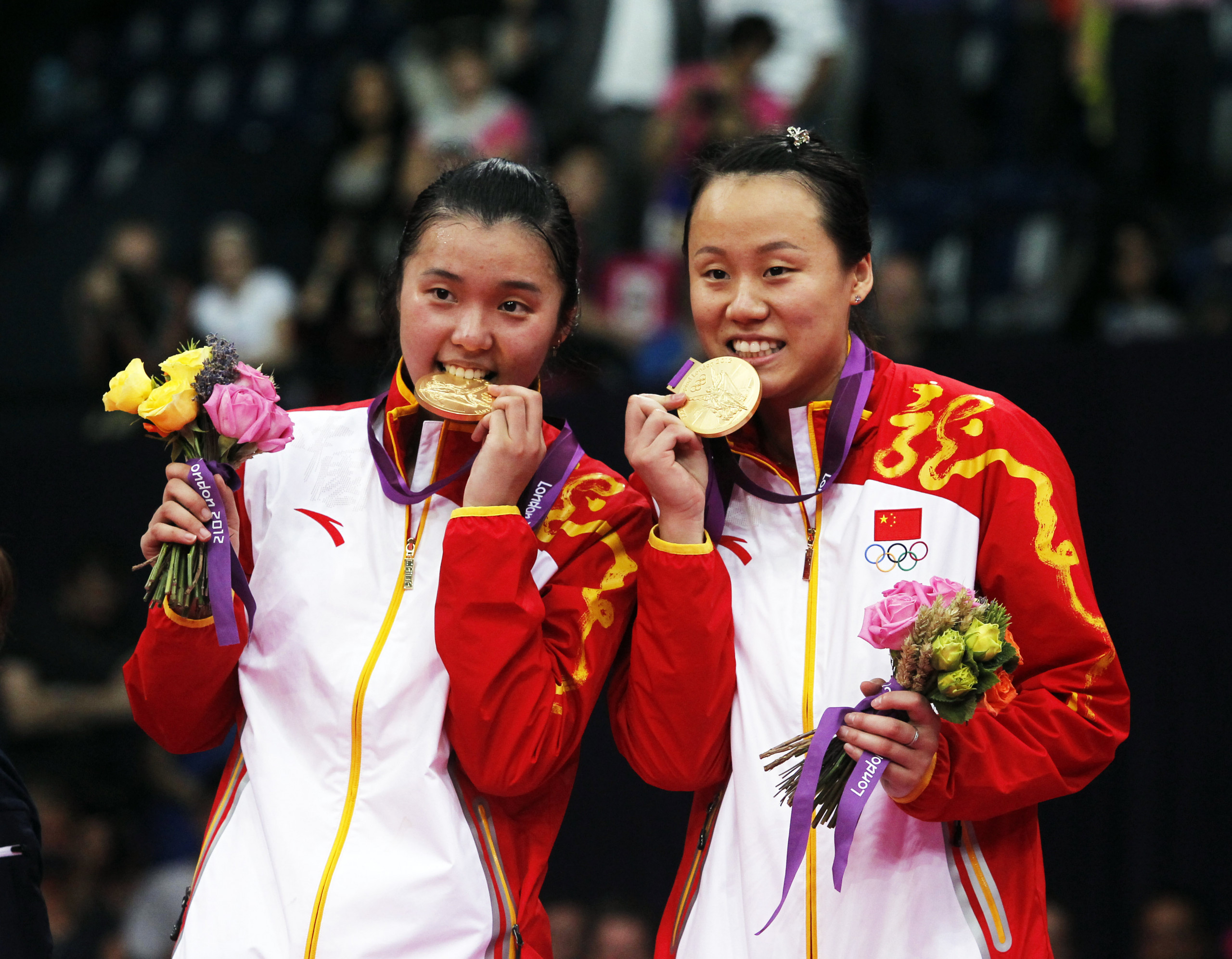
世界羽毛球联合会主席保罗·埃里克·霍耶对赵芸蕾入选BWF名人堂表示祝贺。
他说,“入选世界羽联名人堂是对羽毛球运动员最大的致敬。名人堂旨在表彰精英中的精英,赵芸蕾当之无愧地占有一席之地。赢得奥运会或世锦赛金牌是大多数运动员的梦想,而赵芸蕾取得了这两项大赛的双冠王,这是一项了不起的成就。”
| 赵芸蕾
赛场上的赵芸蕾总是充满信心,她对比赛有着敏锐的洞察,她出色的攻防技巧,以及时刻保持冷静应对突发情况的头脑,帮助她赢得了多次比赛。其中,在她与张楠搭档的混双以及与田卿搭档的女双比赛中表现尤为突出。尽管在高强度的赛事环境中同时参加两个项目的比赛,然而赵芸蕾似乎享受压力,在伦敦奥运会和两届世锦赛上取得了双冠王。 她成为唯一一位在一届奥运会上拿到两枚金牌的羽毛球运动员,也是唯一一位在连续两届世锦赛上获得两个双打冠军的羽毛球运动员。 |
Click Here for the BWF Hall of Fame Honour Roll
赵芸蕾将于2022年6月24日周五下午两点举办的线上典礼和媒体活动中正式被官方授誉。
BWF World Tour News
Canada Open: Clean Sweep by Japan
6 July 2026
Canada Open: Okimoto Halts Lai’s Home Title Bid
5 July 2026
Where To Watch: YONEX Canada Open 2026
3 July 2026
Smashing Stats: Canada Open 2026
1 July 2026
BWF World Tour Calendar 2027-2028 Announced
30 June 2026
Canada Open: All Eyes on Lai
30 June 2026
US Open: Su, Christophersen Break Title Jinx
29 June 2026
US Open: Su Ends Chouhan’s Dream Run
28 June 2026
2024年巴黎奥运会羽毛球参赛资格规则
世界羽毛球联合会(以下简称:BWF)的2024年巴黎奥运会参赛资格规则已经得到国际奥委会(以下简称:IOC)的批准。巴黎奥运会积分周期将于2023年5月1日开始持续到2024年4月28日,以2024年4月30日的奥运积分排名名单来确定。
羽毛球参赛总名额为172个(男86个,女86个),除常规名额(166个)外,还包括2个主办国名额和4个额外名额。每个国家或地区协会派出的男女运动员的名额都不得超过8个。
单打
在每个单打项目中,国家或地区协会至少需要两位球员排在奥运积分前16位,才能获得两个满额参赛名额。共有35个名额,一个东道国名额,两个额外名额。额外名额将在资格期结束后由三方委员会确定。每个单打项目还必须至少有两名来自五大洲协会的运动员,前提是他们的排名在前250名之内。
双打
在每个双打项目中,国家或地区协会至少需要两组球员排在奥运积分前8位,才能获得两个满额参赛名额。每个双打项目还必须至少有一对来自五大洲协会的运动员,前提是他们的排名在前50名之内。
考虑到所有项目的参赛资格,没有任何国家或地区协会可以在单个项目中派出超过2组以上运动员。
在国际奥委会官网上查看已批准的2024年巴黎奥运会参赛资格规则。
BWF World Tour News
Canada Open: Clean Sweep by Japan
6 July 2026
Canada Open: Okimoto Halts Lai’s Home Title Bid
5 July 2026
Where To Watch: YONEX Canada Open 2026
3 July 2026
Smashing Stats: Canada Open 2026
1 July 2026
BWF World Tour Calendar 2027-2028 Announced
30 June 2026
Canada Open: All Eyes on Lai
30 June 2026
US Open: Su, Christophersen Break Title Jinx
29 June 2026
US Open: Su Ends Chouhan’s Dream Run
28 June 2026
关于世锦赛的退赛声明
世界羽联确认将有大批印尼选手退出将于12月12日在西班牙韦尔瓦举行的2021道达尔能源世锦赛。
印尼羽毛球协会(PBSI)周三上午宣布了这一消息,表达了与新冠肺炎疫情相关的担忧。还有一小部分印尼选手仍在签表中。
世界羽联对PBSI的决定感到失望,并对在抽签后退出感到遗憾。
然而,世界羽联和西班牙羽毛球联合会目前正根据地方和国家卫生当局制定的建议和措施,包括针对所有运动员、团队官员和主要利益攸关方的一套全面的安全协议,集中精力举办一场安全、成功的世锦赛。
此外男单卫冕冠军、世界第二桃田贤斗因伤退出比赛,世界羽联也确认了这一不幸消息。桃田贤斗还退出了上周的2021汇丰世界羽联世界巡回赛总决赛,并已返回日本。
混双7号种子陈炳顺和吴柳莹在搭档13年后宣布解散,并退出世锦赛。
大多数球员现在已经安全抵达韦尔瓦并进入了“安全泡泡”。第一轮比赛将于当地时间周日上午10点开始。目前没有重新抽签的计划。
BWF World Tour News
Canada Open: Clean Sweep by Japan
6 July 2026
Canada Open: Okimoto Halts Lai’s Home Title Bid
5 July 2026
Where To Watch: YONEX Canada Open 2026
3 July 2026
Smashing Stats: Canada Open 2026
1 July 2026
BWF World Tour Calendar 2027-2028 Announced
30 June 2026
Canada Open: All Eyes on Lai
30 June 2026
US Open: Su, Christophersen Break Title Jinx
29 June 2026
US Open: Su Ends Chouhan’s Dream Run
28 June 2026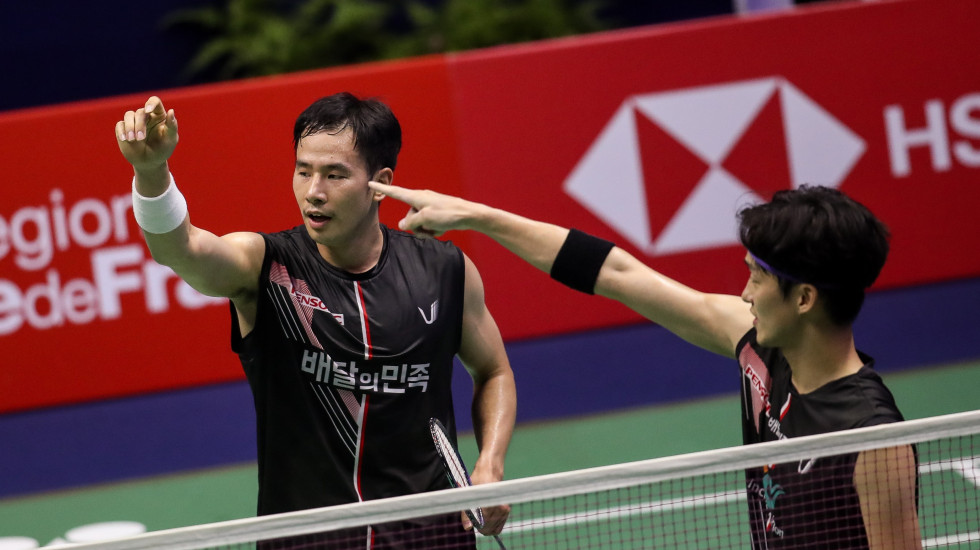
老牌男双高成炫/申白喆夺得法国公开赛冠军
2021尤尼克斯法国公开赛男双决赛中,韩国老将组合高成炫/申白喆击败了世界排名第一吉迪恩/苏卡穆约,自2019年澳大利亚公开赛后再次夺得男双冠军。
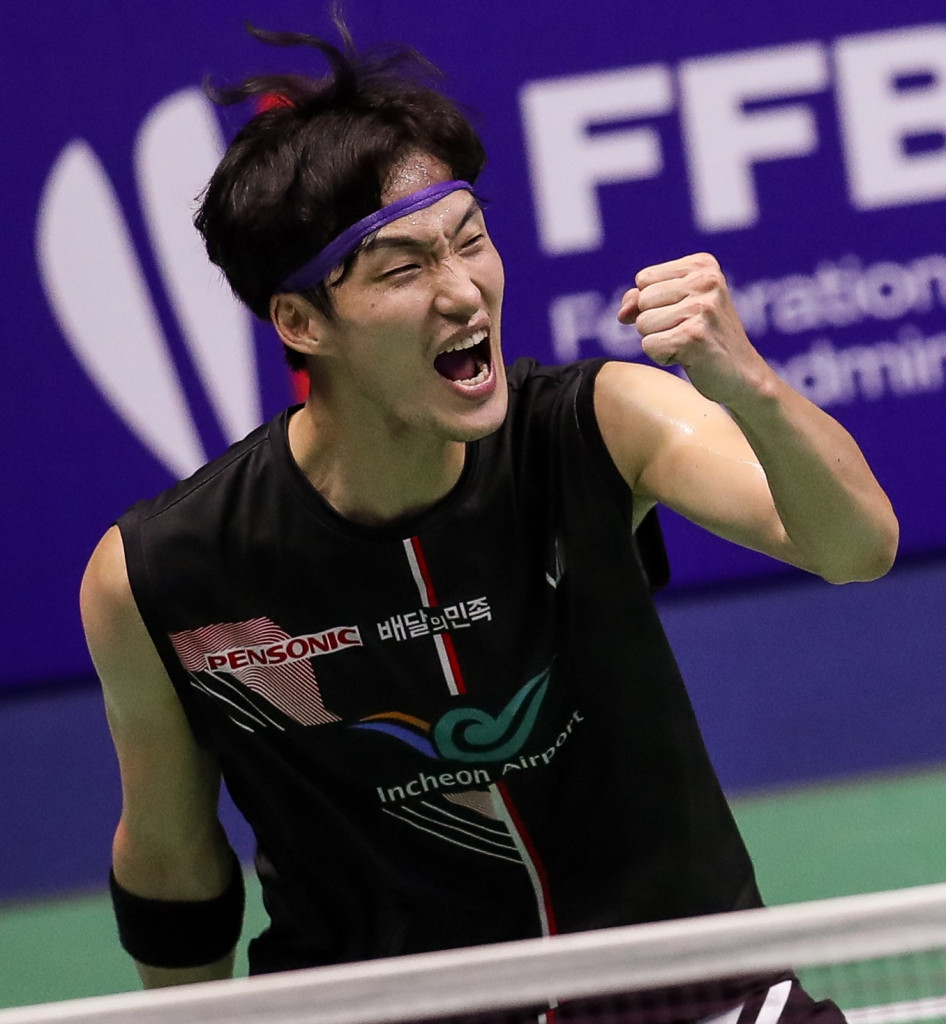
这是属于两位老将的标志性胜利,他们用韩国的传统打法击败了世界最顶级的男双组合。34岁的高成炫和32岁的申白喆是2016年里约奥运会后退役的几对顶级男双选手之一;他们于2018年复出,但复出之旅磕磕绊绊。与此同时,小黄人组合将自己塑造成里约后男双一代的佼佼者。
但韩国老将今天的表现表明,他们的技术仍旧是最顶级的;不管对手的什么球,他们都用顽强的防守化解;他们调动苏卡穆约让他无法发挥前场的实力,当机会来临时,他们由守转攻一击制胜。
高成炫获得了他的第三个法国公开赛冠军(前两次分别搭档李龙大和金荷娜),申白喆获得了他的第一个法国公开赛冠军。“在来这里之前,我们都不认为我们能赢,”高成炫说。“每次胜利后,我们都感觉更好,今天我们超级开心。几年前我们离开了国家队,在疫情之后,这是我们第一次进入高级别赛事决赛,所以这对我们来说真的很重要。”
“与年轻选手相比,我们体能限制很大,所以很难跟上他们。我们有经验,这对我们今天很有帮助。这取决于具体情况。也许今天我们的处理得比对手好。他们真的是很好的球员。很难把他们和我们同时代的人相比。即使在那时,也有很多人比我们更好。”
申白喆说:“我们没有任何遗憾。但在我们不打球的那段时间里,我们对自己的未来感到不安。现在我们很高兴我们今天做到了。这是我第一次在法国参加决赛,所以意义重大。在这之后,我们将对未来的重大比赛更有信心。”
他们的的同胞李绍熙和申昇瓒早些时候以21-17、21-12击败队友金昭映/孔熙容获得了女双冠军,继2019年后再次登上最高领奖台。
Click here for results
BWF World Tour News
Canada Open: Clean Sweep by Japan
6 July 2026
Canada Open: Okimoto Halts Lai’s Home Title Bid
5 July 2026
Where To Watch: YONEX Canada Open 2026
3 July 2026
Smashing Stats: Canada Open 2026
1 July 2026
BWF World Tour Calendar 2027-2028 Announced
30 June 2026
Canada Open: All Eyes on Lai
30 June 2026
US Open: Su, Christophersen Break Title Jinx
29 June 2026
US Open: Su Ends Chouhan’s Dream Run
28 June 2026
2021苏迪曼杯:中国队第12次夺冠
2021道达尔能源世界羽联苏迪曼杯总决赛决赛中,卫冕冠军中国队以3-1击败日本队,第12次捧起苏迪曼杯。
纵观全场比赛,双方都展现了超强水准,年轻的球员们表现出了与久经沙场的球星们一样的抗压能力。在上一届苏迪曼杯上,日本队以0-3被中国队击败,这次他们试图推翻这一结果,但他们不得不再次区居亚军。
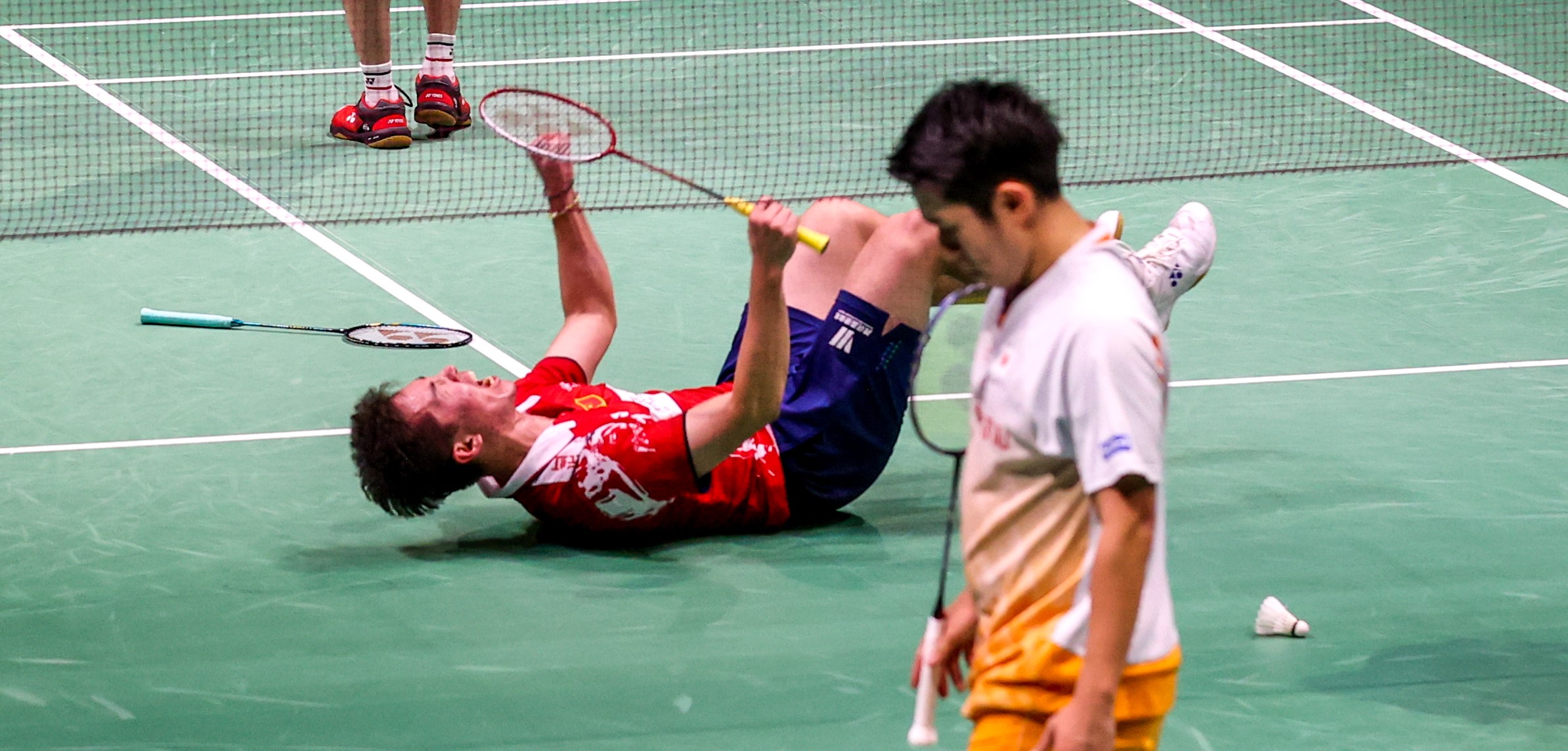
中国队教练张军谈到了对年轻队员的信任,以及他们在这场重大赛事中坚守立场的能力。让一位球员上两个单项的计划被搁置,中国选择了何济霆和周昊东参加男双。
结果如愿以偿。保木卓朗/小林优吾在一个多小时的时间里与中国的年轻队员进行了战斗,但日本人错误地过度依赖防守。在比赛的最后阶段,何济霆/周昊东始终保持着进攻的活力,帮助中国队取得了领先。
“我们在四分之一决赛中输给了丹麦,我们吸取了教训——我们试着更有耐心,”周昊东说。
在上届苏迪曼杯决赛中,山口茜输给了陈雨菲。今天山口一心要进攻。日本人不愿意在对抗赛中留下遗憾,她保持着陈雨菲难以跟上的速度。即使当她的对手找到空档时,山口茜也依靠着顽强的跑动进行补救。正是这种更顽强的风格帮助山口茜赢得了比赛,因为陈雨菲在其他方面还是一如既往的精确和稳定。
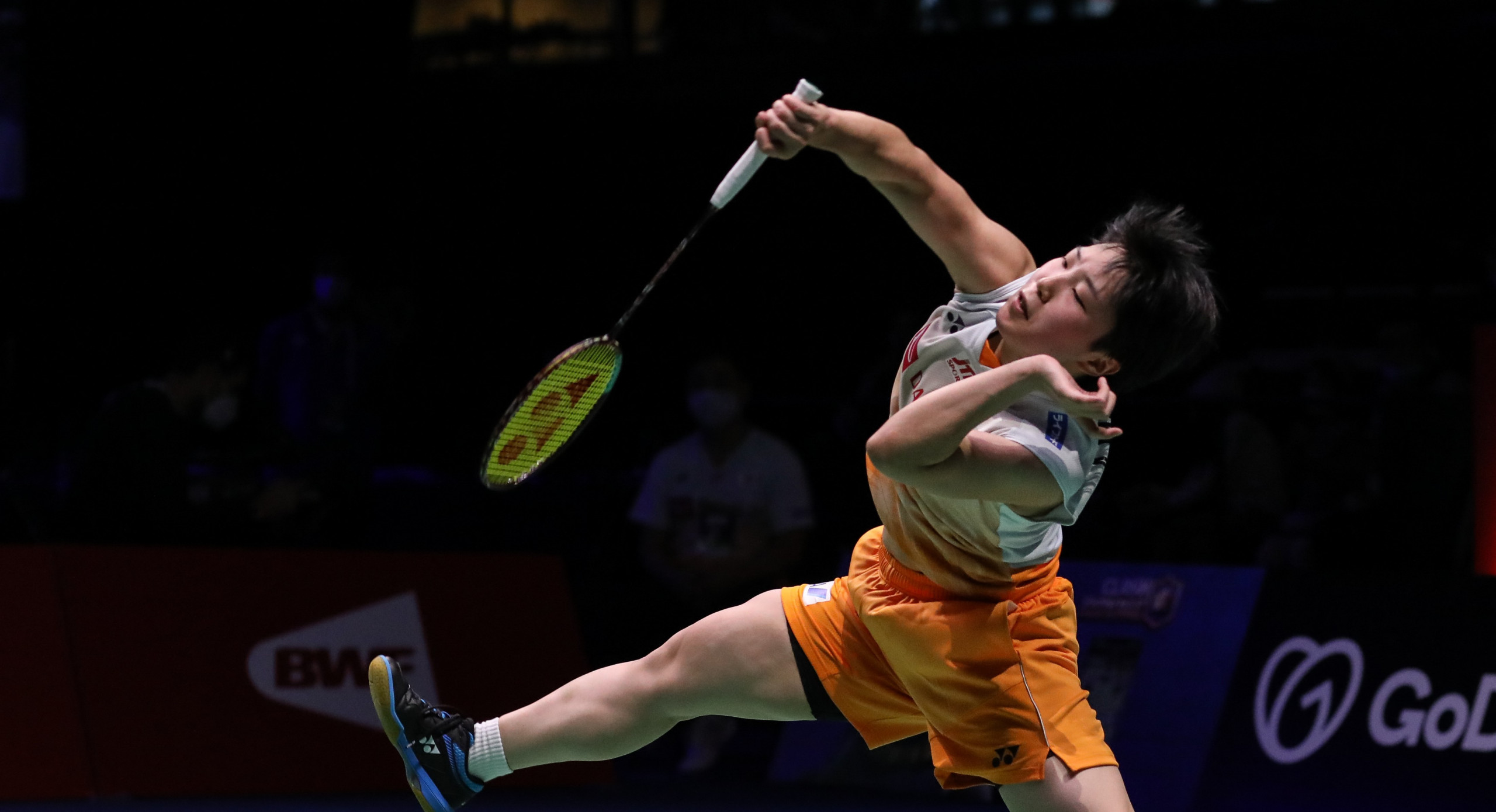
“上一届苏迪曼杯我也是同样的情况,但我输了,所以我不想重蹈覆辙。而且,她是奥运会金牌得主,所以我决定挑战她。”山口说。“我只是想打一场稳定的比赛。我知道她打了几场长时间的比赛,一定会累的。我没有打过这么多长时间的比赛,所以我很有活力。”
在一场高质量的开局之后,男单比赛出现了最令人好奇的转折。开局似乎消耗了石宇奇太多精力,因此他放弃了第二局,把所有精力留到第三局上。无论是这一周累积的疲劳,还是仅仅精神上的压力,桃田贤斗又一次输了。世界第一面对石宇奇的不断高强度进攻,并没有什么办法能够应对,最终石宇奇以2-1击败对手,使中国队以2-1领先。
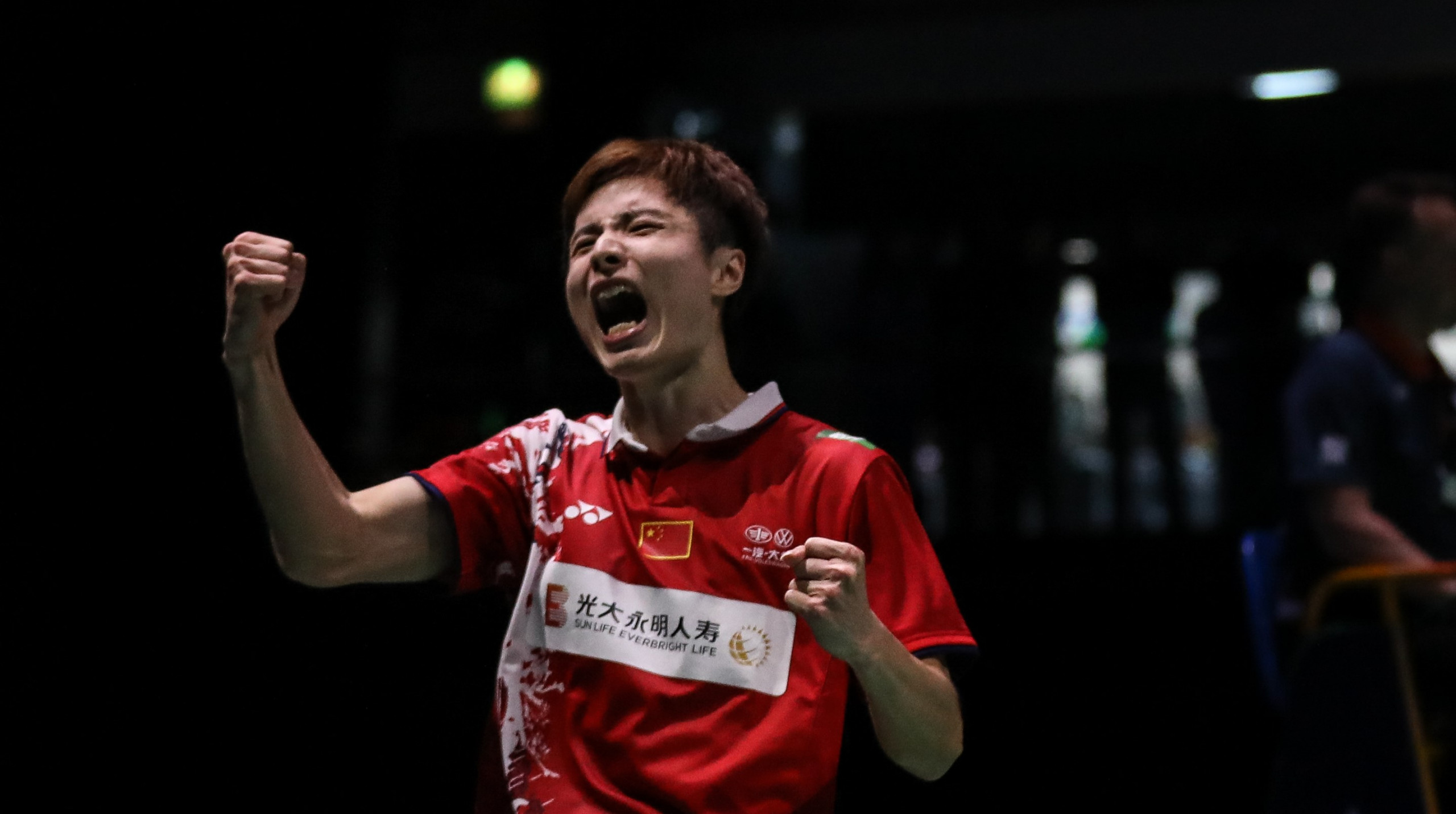
桃田否认疲劳是他在第三局比赛中有点无精打采的原因。“我被对手的进攻能力压垮了,所以我输了。我没有那么累,但我找不到赢球的方法。”
石宇奇在庆祝他2019年7月受伤复出后的最佳时刻时,承诺要比受伤前更好。“我放弃了第二局以恢复我的体力。我必须把所有的精力都放在第三局比赛上。我有90%的最佳状态。赢得比赛是一件很棒的事情,但我的目标不是回到以前的水平——我要达到以前水平的120% !”
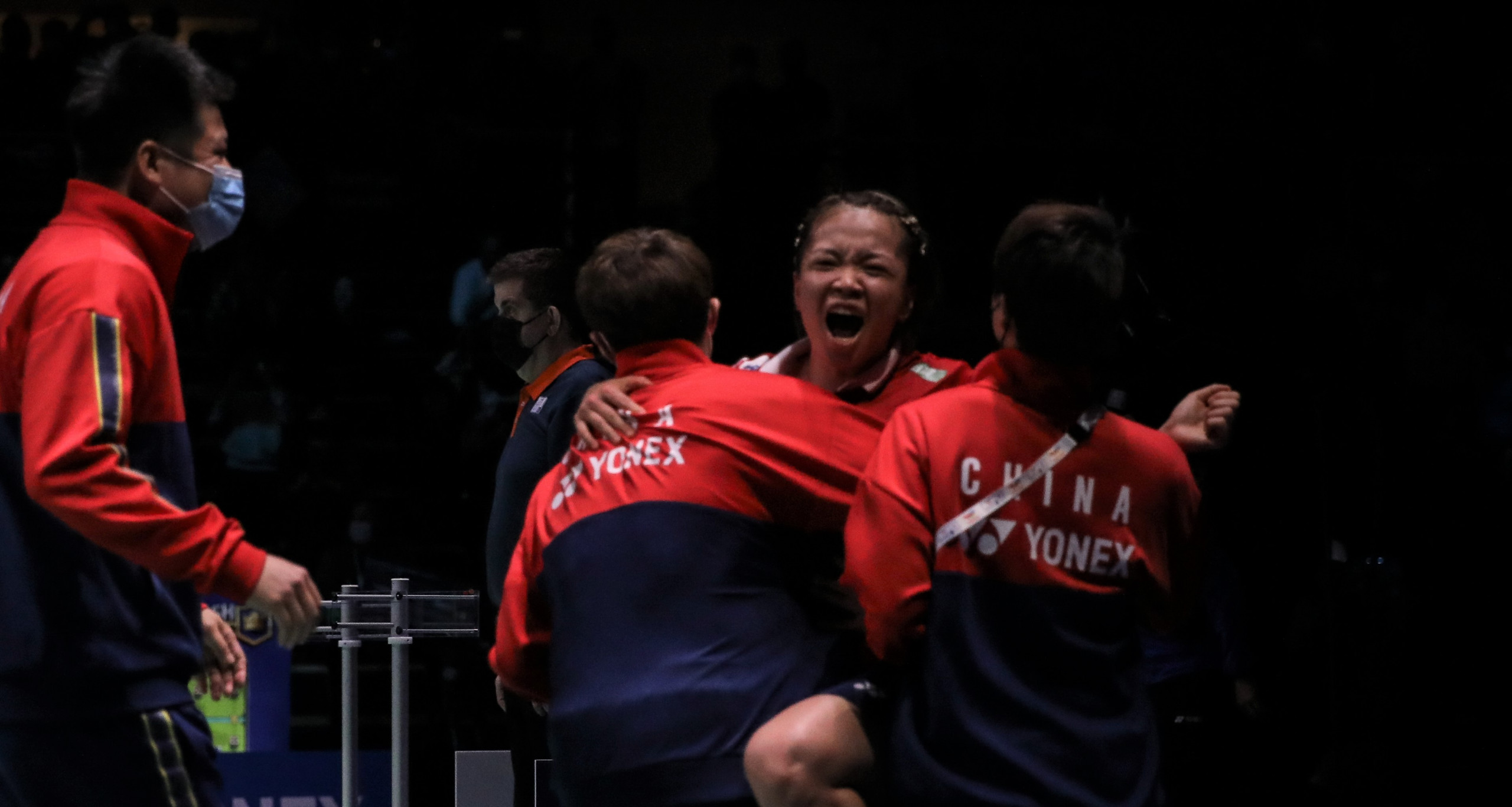
日本最后的希望寄托在女双临时组合上,松本麻佑/松友美佐纪给陈清晨/贾一凡造成了不小的麻烦。中国组合一路经受着考验,她们表现出了出色的气质,关键时刻下手更加果断。
随着21-17 21-16的胜利,苏迪曼杯留在了中国。“奥运会之后,这个冠军让我们可以再次激励我们的队员,”张军说,“我们本届苏杯男双阵容上不是最完美的,对泰国和丹麦我们有一些困难,但我们决定让年轻球员上场,我们信任他们的能力,他们今天做的很好。”
Click here for Match Centre.
BWF World Tour News
Canada Open: Clean Sweep by Japan
6 July 2026
Canada Open: Okimoto Halts Lai’s Home Title Bid
5 July 2026
Where To Watch: YONEX Canada Open 2026
3 July 2026
Smashing Stats: Canada Open 2026
1 July 2026
BWF World Tour Calendar 2027-2028 Announced
30 June 2026
Canada Open: All Eyes on Lai
30 June 2026
US Open: Su, Christophersen Break Title Jinx
29 June 2026
US Open: Su Ends Chouhan’s Dream Run
28 June 2026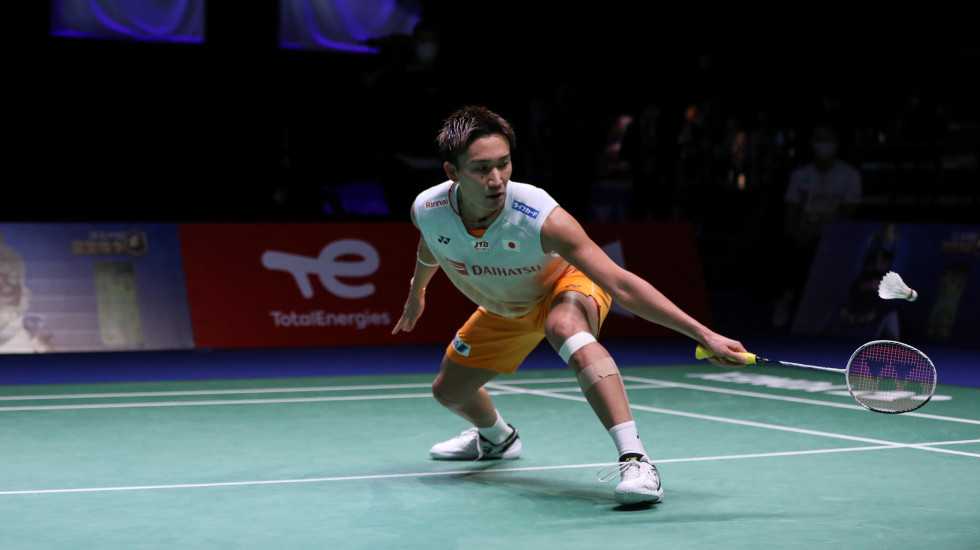
2021苏迪曼杯:克服困难,桃田贤斗重新出发
2021道达尔能源世界羽联苏迪曼杯总决赛 第三比赛日中,桃田贤斗率领的日本队5-0击败英格兰队,将与马来西亚队争夺小组头名位置。
在东京奥运会小组赛阶段被淘汰之后,球迷对桃田的状态充满了好奇。今天,在D组日本对阵英格兰的比赛中,渡边勇大/东野有纱帮助日本取得领先后,桃田贤斗在与世界排名第205位的托尔森的比赛中,看上去与巅峰时期的状态还相距甚远。
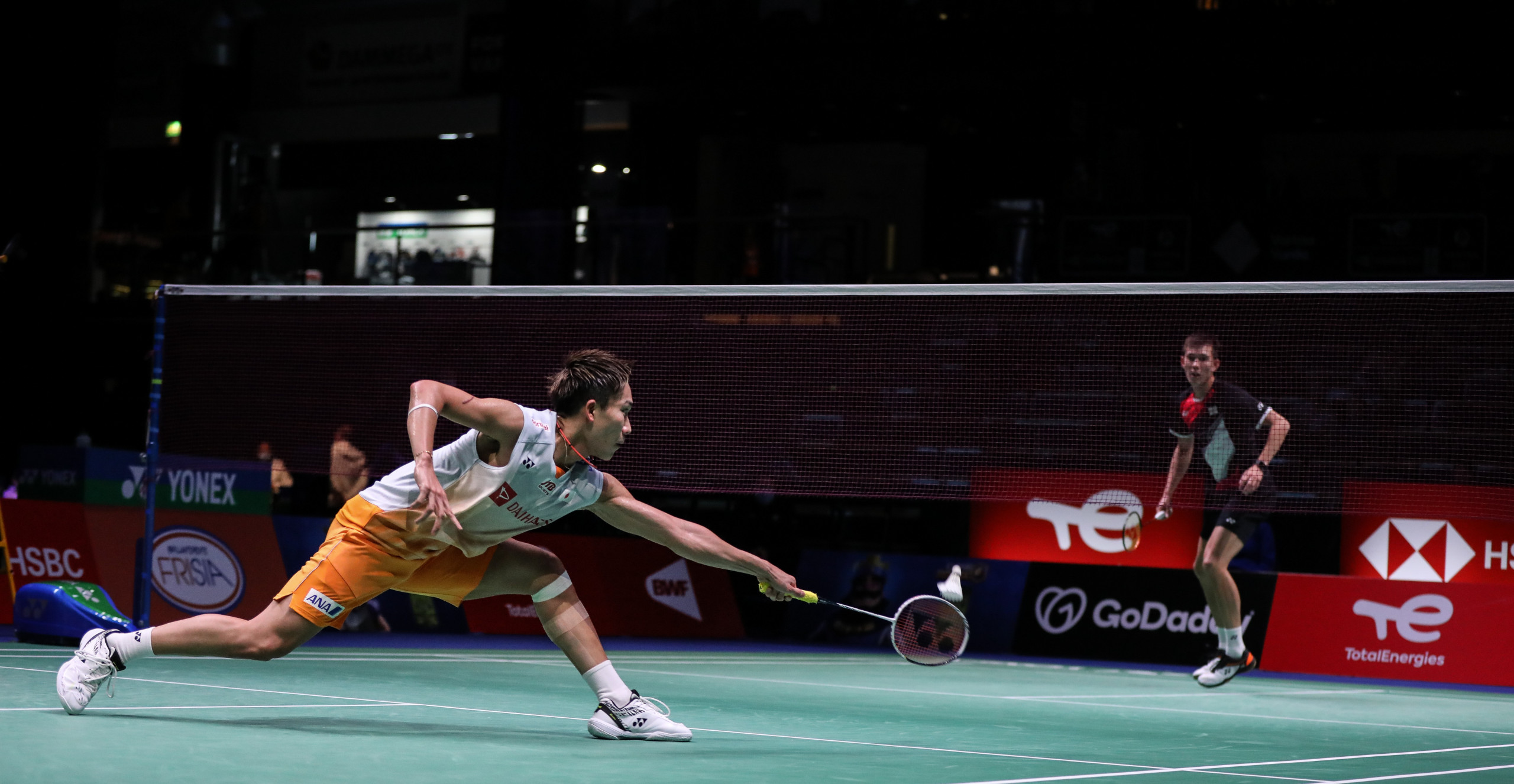
日本人经常被托尔森的杀直线所击溃,这位22岁的英格兰球员打得非常轻松,然而最后一记发球将优势拱手让给了桃田,他在第一局比赛中获得了信心,并在没有进一步失误的情况下结束了比赛。
“一开始我非常紧张,无法发挥自己的能力。接近第二局的时候,我让自己冷静下来,控制住自己的比赛。”
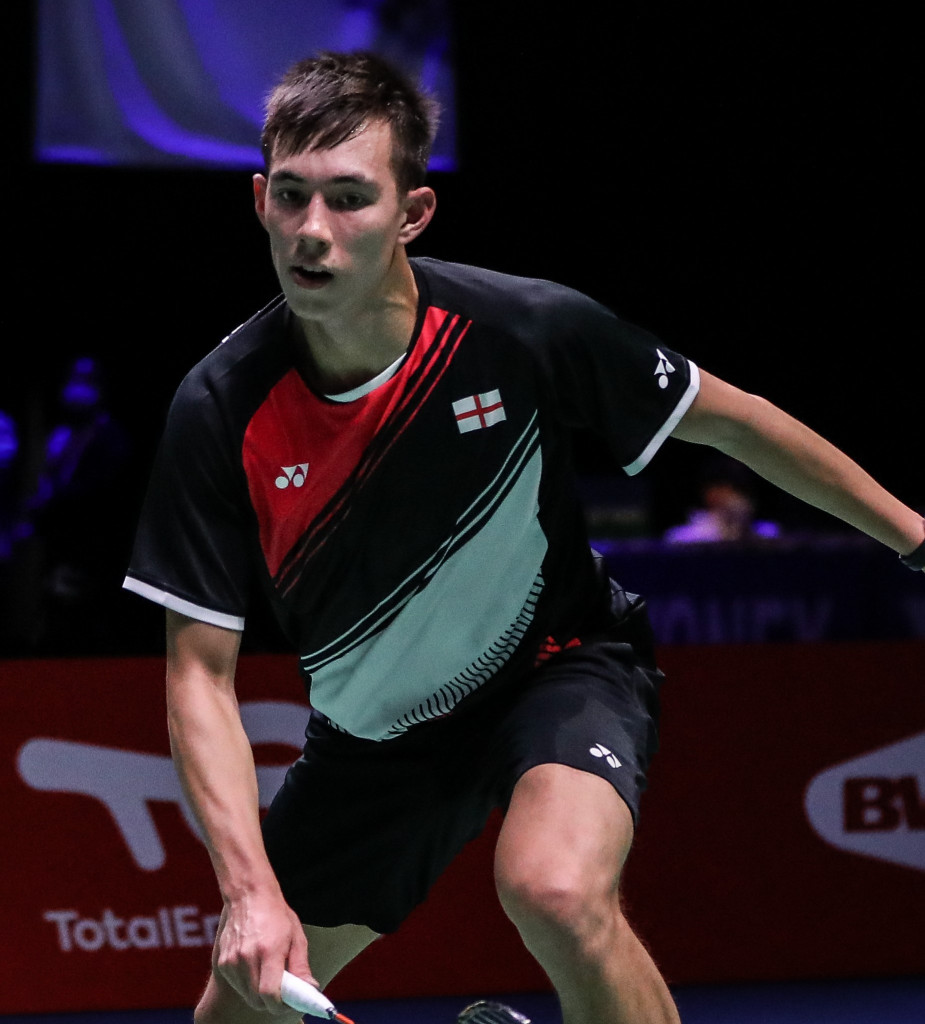
“我希望在专注度方面有所提高。我今天很紧张,不能专注于一件事。不过,好在我能让自己冷静下来。”
托尔森说,他对自己的表现感到惊讶。
“这对我来说绝对是一个惊喜,我不知道他是否感到紧张。很高兴看到我的扣杀能够穿透他的防守。我认为这对我来说绝对是一个巨大的信心助推器,能够在与世界上最好的球员的比赛中取得这样的成绩。我想在未来面对每一个球员时都这样做。”
本·莱恩和文迪不敌古贺辉/斋藤太一,没能阻止日本队。 山口茜以21-16/21-12击败霍尔顿,之后志田千阳/松山奈未在与布里奇/史密斯的比赛中直落两局,帮助日本队5-0完胜英格兰队。
在另一场B组比赛中,马来西亚以5比0击败埃及,而在B组中,中华台北以5比0击败德国,韩国以同样的优势击败了塔希提岛。
Click here for Match Centre.
Download the Badminton4U app here.
BWF World Tour News
Canada Open: Clean Sweep by Japan
6 July 2026
Canada Open: Okimoto Halts Lai’s Home Title Bid
5 July 2026
Where To Watch: YONEX Canada Open 2026
3 July 2026
Smashing Stats: Canada Open 2026
1 July 2026
BWF World Tour Calendar 2027-2028 Announced
30 June 2026
Canada Open: All Eyes on Lai
30 June 2026
US Open: Su, Christophersen Break Title Jinx
29 June 2026
US Open: Su Ends Chouhan’s Dream Run
28 June 2026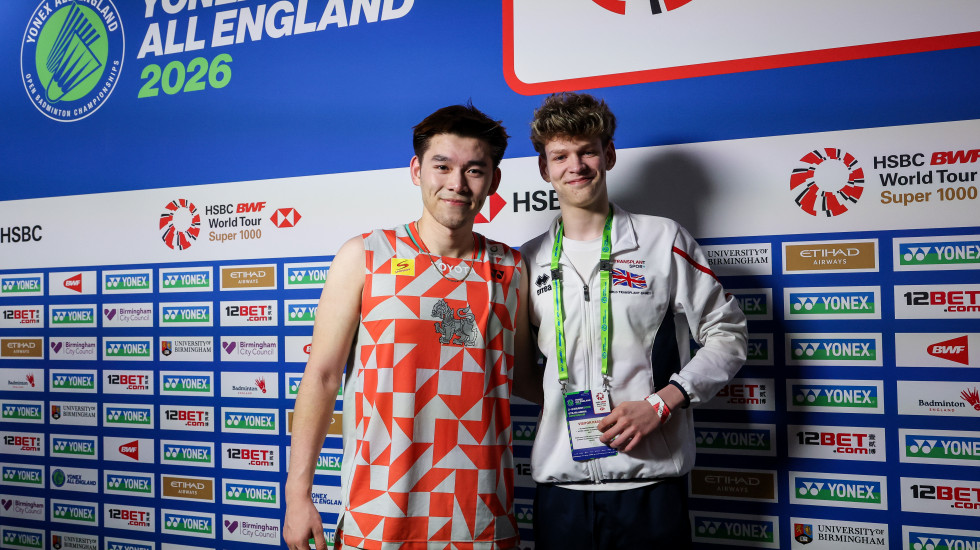
When Archie Morton Met His Heroes
Archie Morton‘s story of how badminton helped him rebuild his life after a kidney transplant resonated far beyond Wales, demonstrating how sport can restore confidence, forge connections and provide a renewed sense of purpose.
As BWF continues to celebrate World Badminton Day, we revisit another unforgettable chapter in the journey of the 17-year-old World Transplant Games champion.
In recognition of his remarkable recovery and success in badminton, Badminton England invited Morton to the All England in March – a dream come true for the teenager from rural Wales. He arrived in Birmingham with his father Adam expecting to watch the world’s best players compete at the Super 1000 event. What he did not know was that BWF and the hosts had planned a special surprise.
Over the weekend, Morton was given the opportunity to meet athletes he had long admired from afar. What began as a day in the stands quickly became an experience that brought him face to face with his heroes.
“It was incredible,” Morton said after meeting Kunlavut Vitidsarn following the Thai star’s semifinal match. “You watch them on a screen and think they’re quite good. Then you watch them in person and it’s completely different. They play a separate game to you.”
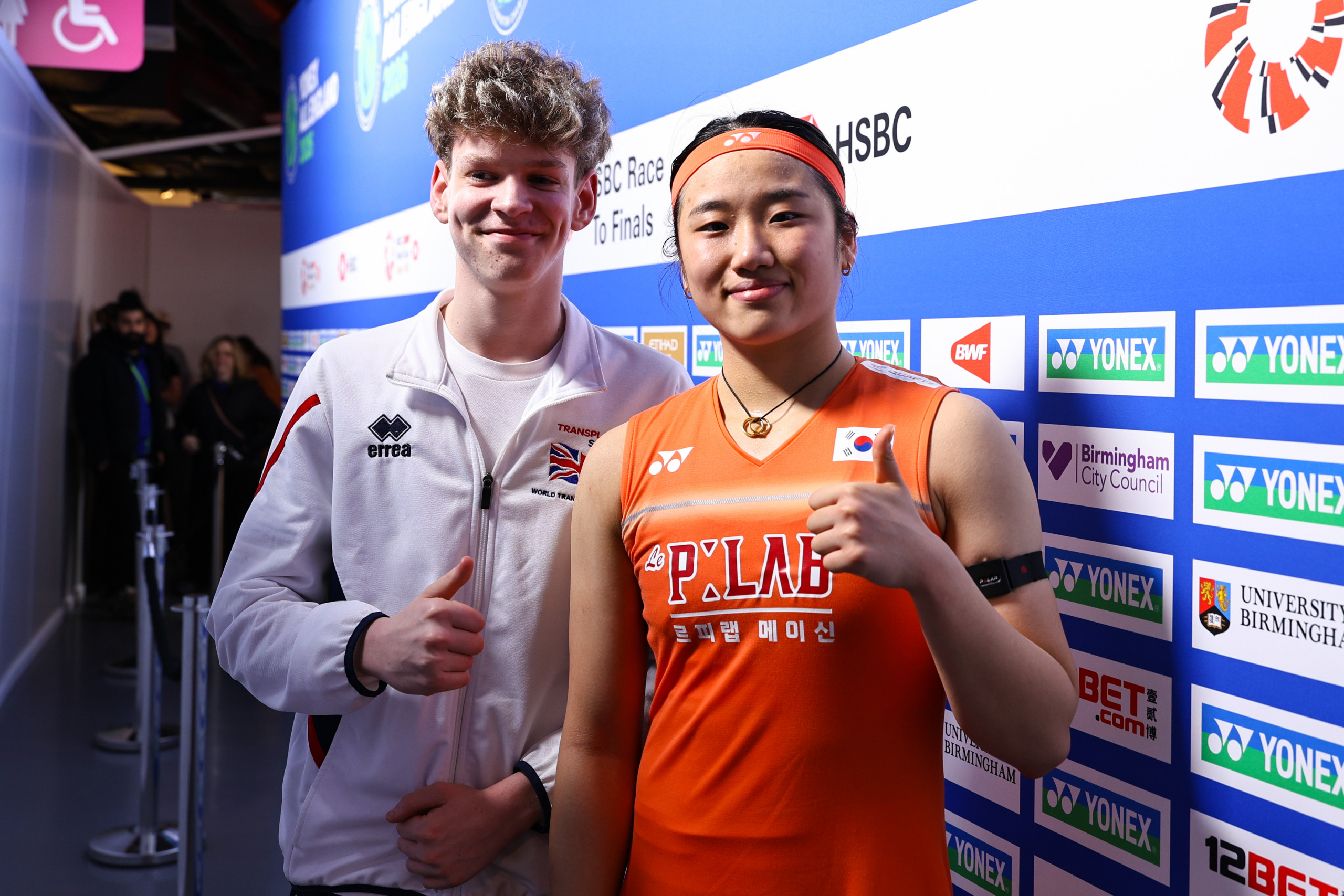
Morton also met reigning Olympic champion An Se Young, currently the sport’s standout star. For the young Welshman, who discovered badminton during recovery from transplant surgery, the chance to speak with players he had only seen on television was almost surreal.
“Being able to actually meet and speak to them and realise they are just human, shows there’s room for growth,” Morton added. “If you dream big enough, you can always achieve it.”
That mindset has shaped Morton’s own journey. Born with a non-functioning left kidney and reduced function in his right, he eventually required a transplant. His father proved the perfect donor match, giving his son a second chance at life.
Recovery was slow and challenging but a chalk badminton court drawn in the family garden became the starting point for a remarkable transformation. What began as gentle exercise evolved into a passion that helped rebuild his physical and mental wellbeing, ultimately leading to a gold medal at last year’s World Transplant Games in Dresden, Germany.
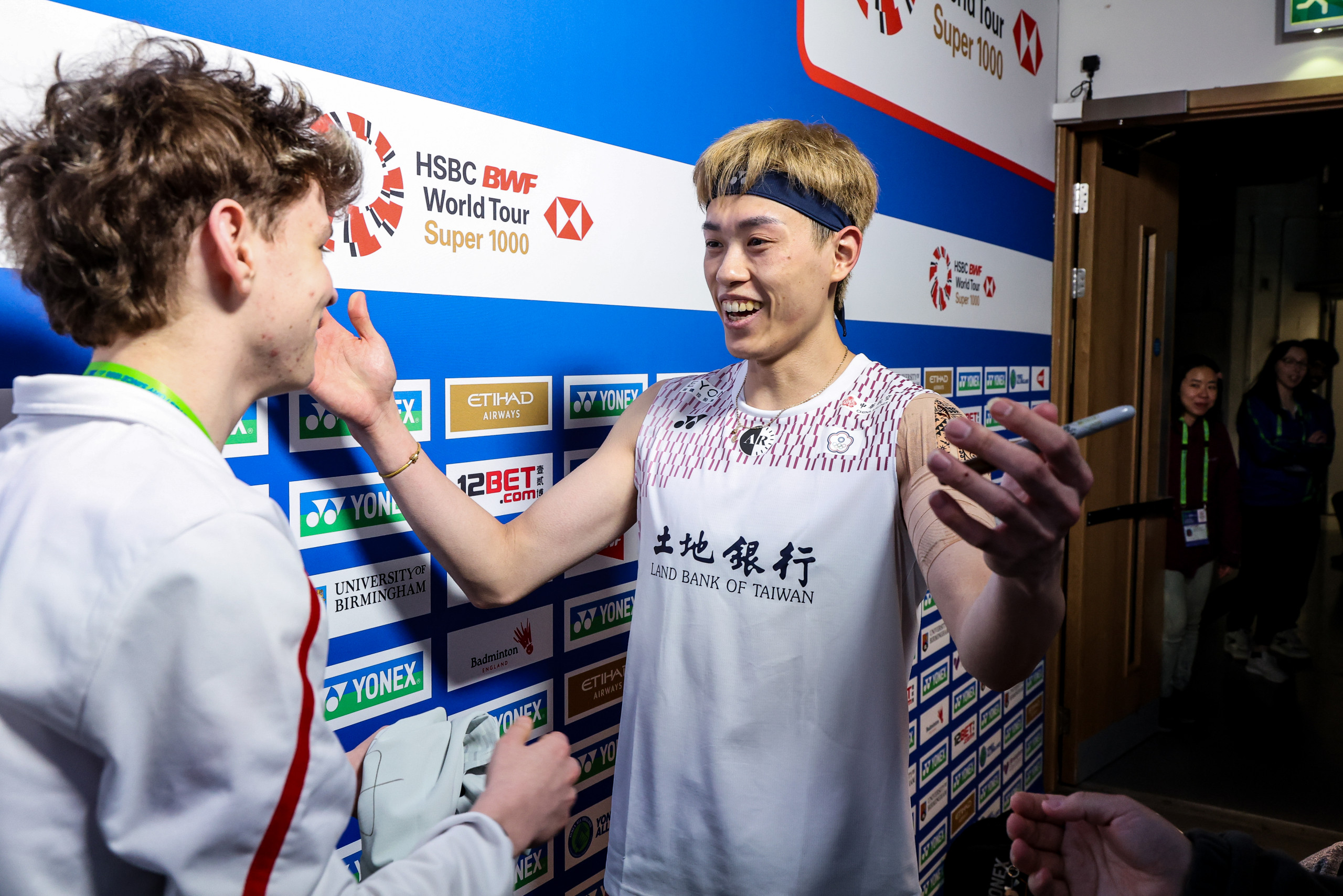
After learning about the teenager’s transplant journey, his World Transplant Games triumph and the determination behind his love for badminton, eventual men’s singles champion Lin Chun-Yi made time to speak with him away from the spotlight after his semifinal win.
Lin warmly embraced Morton, congratulated him on everything he had overcome and presented him with one of his shirts. For Morton, it was far more than a souvenir from one of the world’s best players.
The gesture reflected a shared appreciation for resilience, perseverance and the journey that shapes every athlete.
“I got invited out here and it was already amazing just thinking I was able to watch the matches,” he said. “Then getting to meet some of the players and even talk to them. It’s been incredible. I couldn’t ask for a better day.”
Badminton has helped Morton regain his confidence, health and independence, taking him further than he imagined. And judging by the determination that carried him from transplant patient to world champion, his journey is only just beginning.
BWF World Tour News
Canada Open: Clean Sweep by Japan
6 July 2026
Canada Open: Okimoto Halts Lai’s Home Title Bid
5 July 2026
Where To Watch: YONEX Canada Open 2026
3 July 2026
Smashing Stats: Canada Open 2026
1 July 2026
BWF World Tour Calendar 2027-2028 Announced
30 June 2026
Canada Open: All Eyes on Lai
30 June 2026
US Open: Su, Christophersen Break Title Jinx
29 June 2026
US Open: Su Ends Chouhan’s Dream Run
28 June 2026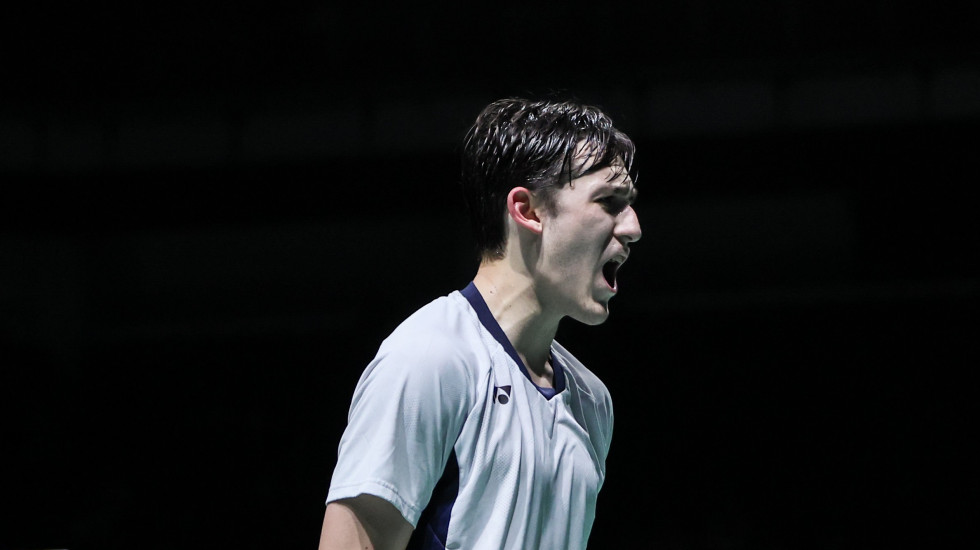
‘We’re Almost There’
In Part 2 of the interview, Presley Smith discusses the challenges of transitioning from a recreational background to high-level training in Taipei, and adapting to the challenges of elite badminton.
Your story is unconventional. Most players start off competitive training by the time they are eight or nine. How did you adapt?
My problem has always been the physical aspect. Even now, I feel I’m way behind the top players when it comes to the physical (aspect) because I didn’t do it as a kid. But because I was so not good with physical training, I adapted my skills a lot better, my hand skill and my speed. The physical is easy — easier to catch up than learning things like technique.
So would you say it’s not absolutely necessary to start very early?
I think so, yeah. It’s quite easy to burn out, that’s what happens to a lot of the Asian players, 90 per cent of them.
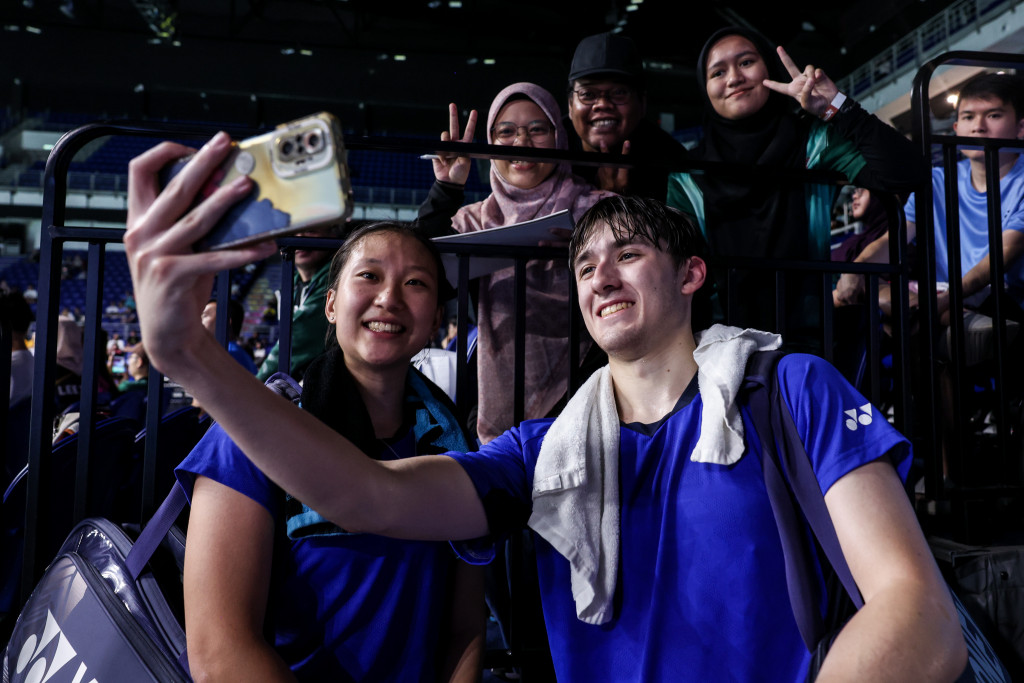
At least where I was, the training was not so rigorous. It was just after school. My club was just a rec center, I would only go three times a week. And then it was funny, my club was on tennis courts. So every time we played, we had to roll out the badminton mats and set up the net. When you finish, you have to roll them back.
That’s literally badminton on top of tennis.
Yeah, and you play three hours, clean it up, and then go next day (laughs).
You talked about getting better physically. Is it a matter of just building strength, or is there more to it?
For me, especially, it was building strength. I was always weaker, but it’s also like how hard you want to push yourself. There was no coach pushing me, especially when I was in Taipei. So at that time I had to push myself towards my goals. I didn’t know what my goals were, but I knew I wanted to improve. So, every day I had to do something, I have to run, I have to go to the gym, and then I would see myself like, “Okay, I can get better doing this.” I think it’s easy when you have a coach beside you and they’re telling you every time to do it. When you’re alone, that’s when you need to figure out yourself.
Moving to a highly competitive environment, everything must have been different?
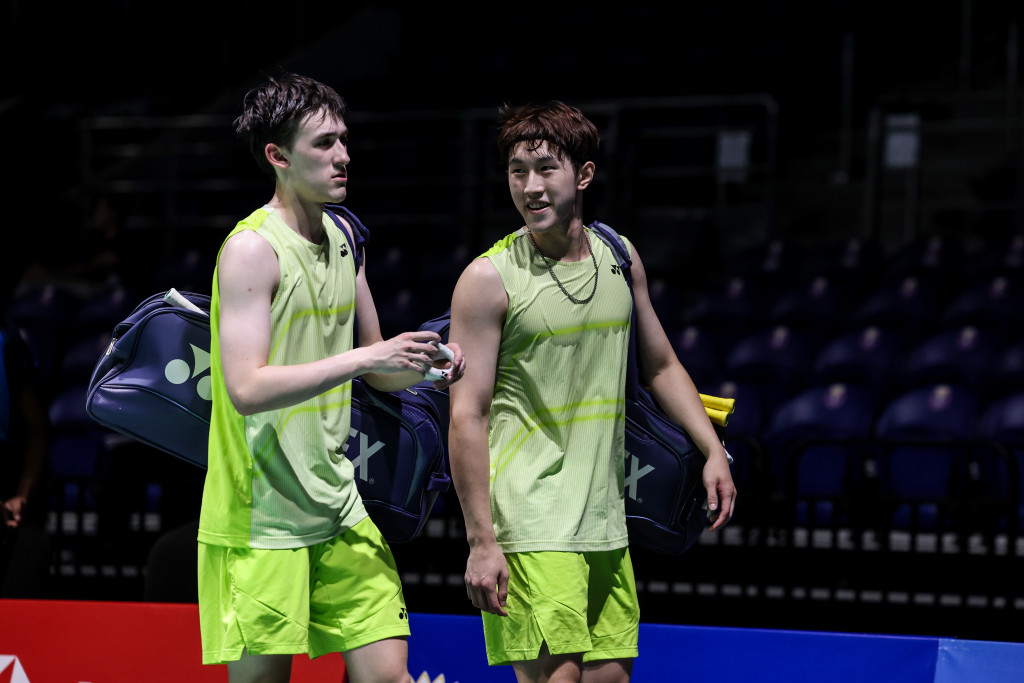
So different. Everyone’s so quick, and they’re so intense. Some like you’ve never seen before. I couldn’t do simple drills with them because I never encountered them before. Some of the guys would start getting a little annoyed because I couldn’t do the drill, but it was good — it’s a really good learning experience for sure.
Did you get down on yourself at that point?
A little bit, but it didn’t affect me that much. It showed I’m lacking in this area, so I just have to work harder, get better, and train every day, and then you can keep up with them, and then it’s fine.
When you started playing the upper tier of the World Tour, was it overwhelming?
It was for sure overwhelming. These top players, I watched them on TV all the time growing up. I never thought I would make like it to that stage. At the beginning it was tough. We got beat badly, a lot of low scoring games and at that point, it was hard to think, “Could I get to that next level, that top 10 level?” It felt like the gap was so far, so big. But at that point, you have to keep working, keep going forward.
Working on what?
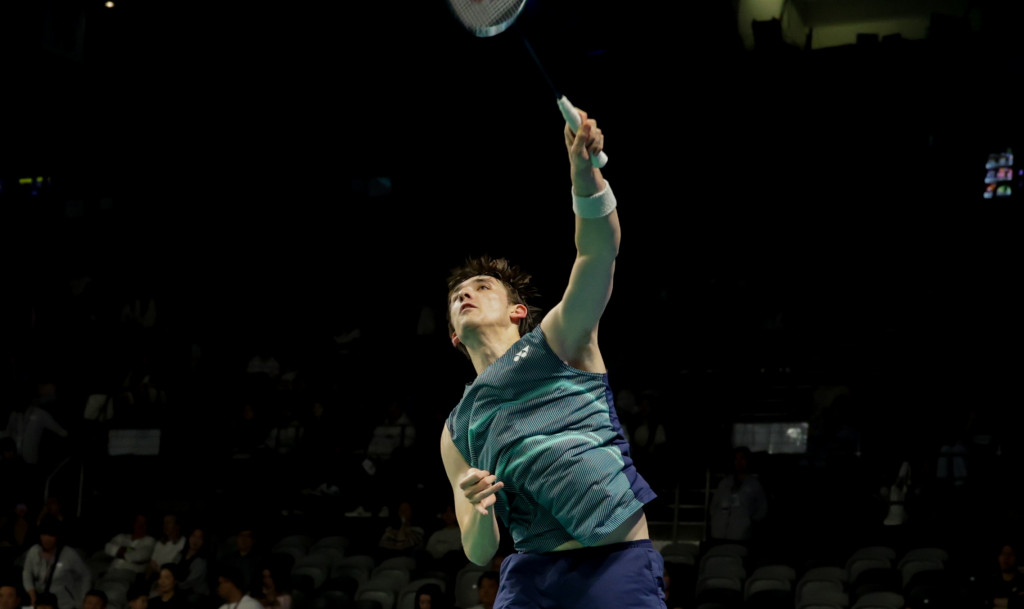
Just a little bit of everything. For me, it was more physical training. My skill I could keep up, but I needed to get stronger, I needed to get faster so I can go for more than five shots or eight shots. You need to learn how to keep the rally going and then survive, and that’s what they’re better at. They can keep going, they can defend 10-15 shots in a row, no problem. That’s what we struggled at. I couldn’t keep up with that speed for that many shots. I needed to work on my speed, my strength, and then more experience in games and higher level training, so that’s where Taipei (training) came into play. I think those first few years were really good, sparring. Then came learning new technique. And that’s where I think training in the US has improved a lot more. Coach Tony (Gunawan) and coach Howard (Bach) were really good at teaching that. Now against the top 10, it feels like we’re almost there.
The US has now got a bunch of good doubles players in three disciplines. With LA ’28 coming up, it looks like you’re in the right place at the right time.
Everyone’s excited for LA 28, they’re all working hard. Even if we’re opponents, it’s still good to see everyone working too.
It’s coming together, I think, and we have a lot of help, too, with the coaches in the US and Yonex USA. They’re helping us a lot. They want us to achieve what was thought to be impossible a few years back. And now we have some strong contenders, and we still have some more years to try and get even at a higher level for LA 28. They’re trying to pour everything into us.
BWF World Tour News
Canada Open: Clean Sweep by Japan
6 July 2026
Canada Open: Okimoto Halts Lai’s Home Title Bid
5 July 2026
Where To Watch: YONEX Canada Open 2026
3 July 2026
Smashing Stats: Canada Open 2026
1 July 2026
BWF World Tour Calendar 2027-2028 Announced
30 June 2026
Canada Open: All Eyes on Lai
30 June 2026
US Open: Su, Christophersen Break Title Jinx
29 June 2026
US Open: Su Ends Chouhan’s Dream Run
28 June 2026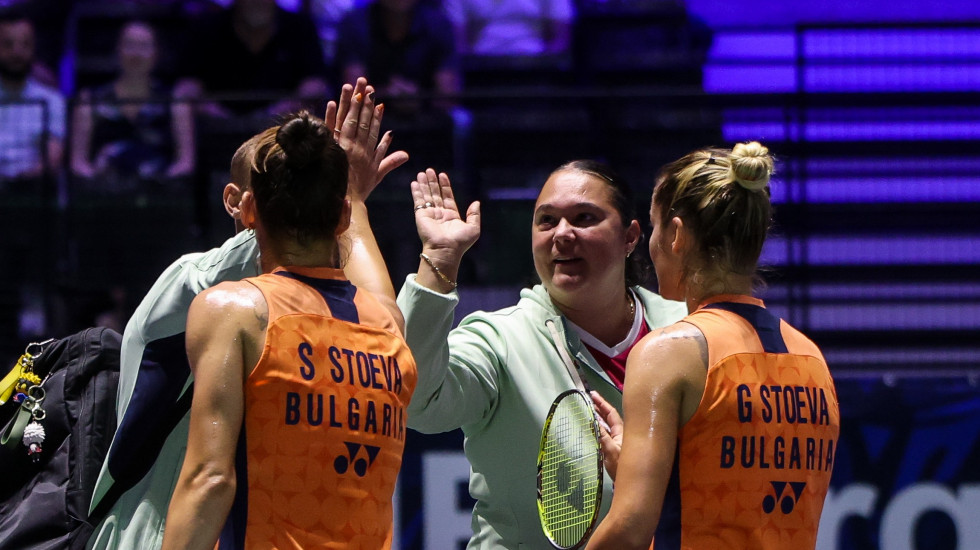
‘Everything Has Changed; the Game is Much Faster’
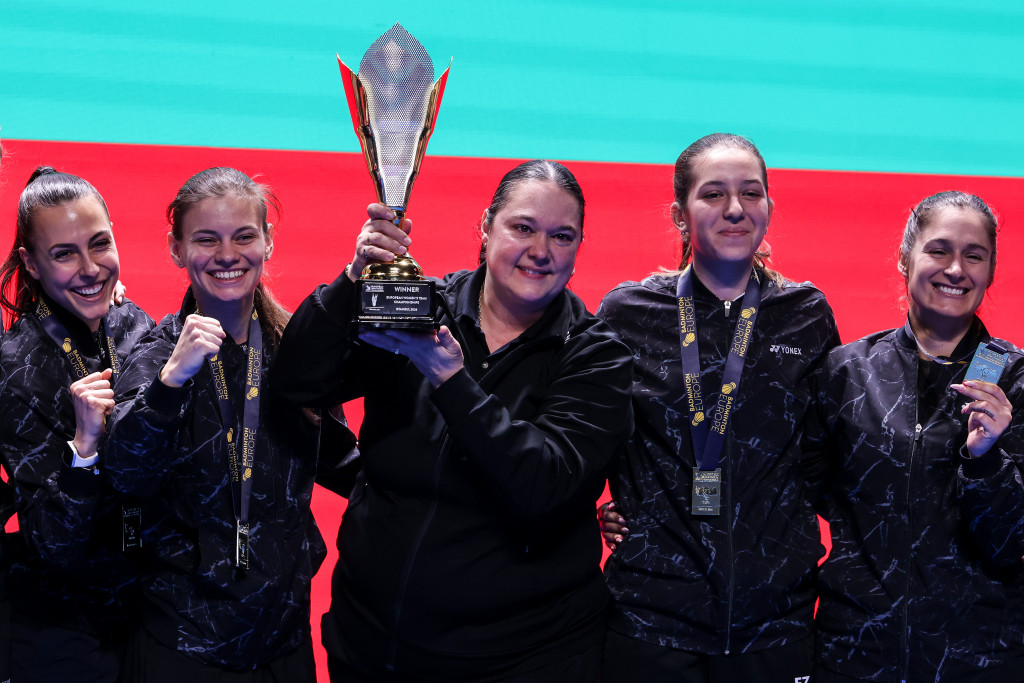
Bulgaria shot into the spotlight earlier this year, winning the 2026 European Women’s Team Championships for the first time. There were more positives as the season progressed, with Kaloyana Nalbantova emerging as a strong prospect, and the Stoeva sisters performing consistently.
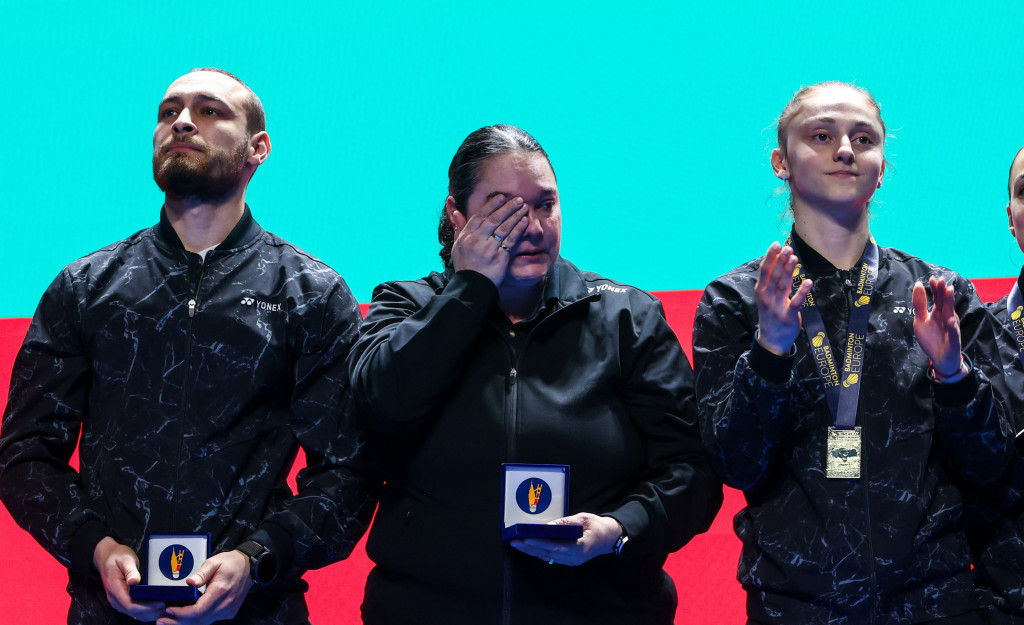
For Petya Nedelcheva, the European Championships was a particularly emotional triumph. The former player, who had featured in the team’s silver and bronze medal campaigns in 2016 and 2014 respectively, was now team coach, leading the underdogs to their biggest moment in the final against powerhouses Denmark.
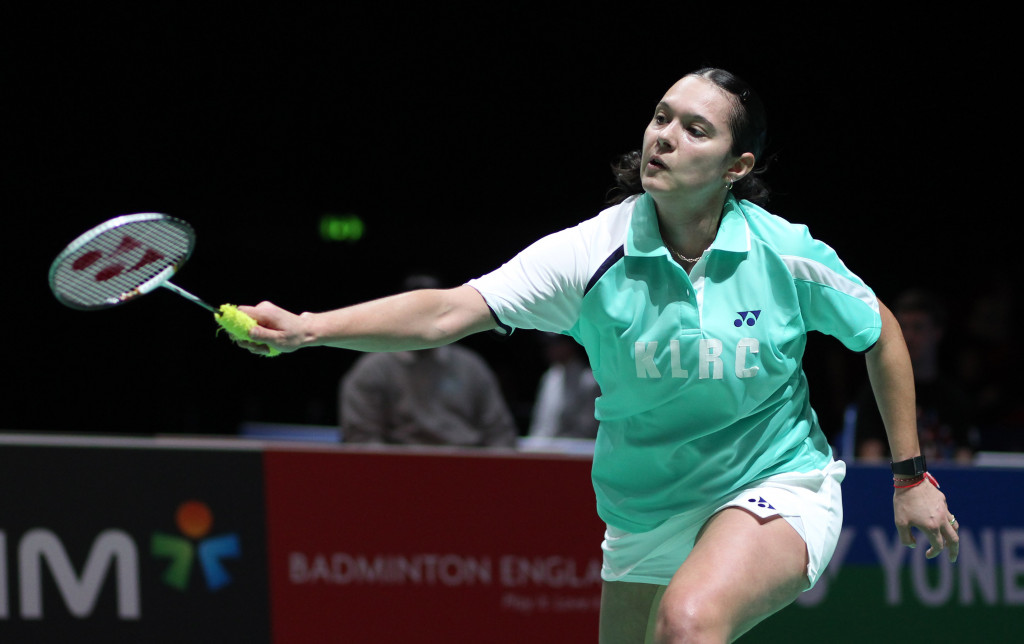
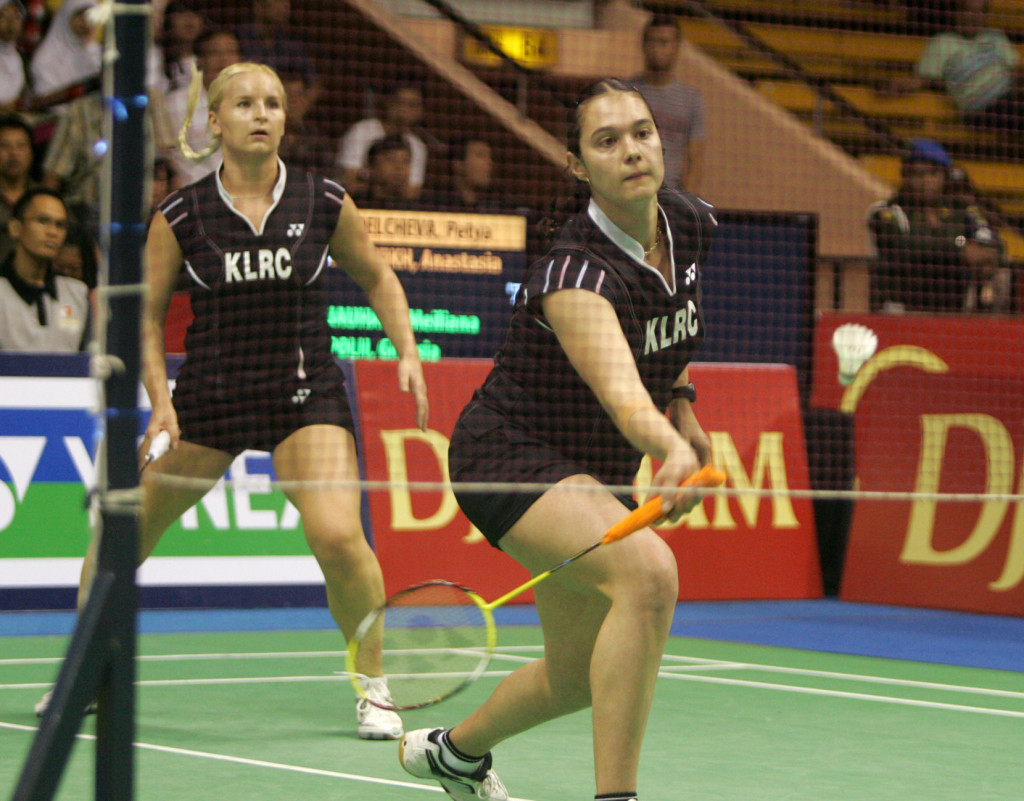
Nedelcheva was exceptional in her time, for she excelled in singles and doubles, achieving career-high rankings of No.7 in women’s singles and No.3 in women’s doubles. Runner-up at the European Championships in 2010, and a consistent performer all through her long career, Nedelcheva talks about her playing years, the significance of Bulgaria’s triumph, and the emergence of Nalbantova.
How big a moment was it for Bulgaria to win the European gold?
It was amazing because nobody expected it. The target from the federation and from the national team was just to go and fight for a medal. But step by step during the tournament, we did well, and it was a surprise for everyone.
It’s one of our biggest achievements. Because 10 years ago, in 2016, we played the final against Denmark and we lost. We’ve had bronze and a silver — we missed the gold, and now we finally have the gold.
We try our best because in Europe there are not many strong players right now, especially in women’s doubles. And when we have to compare with Asia, it’s so difficult. When we come for the Asian tournaments, the first tournament is just to see the level, the atmosphere, and all the time it’s difficult. For the World Championships, we try to prepare well and fight for a medal.
Kaloyana was one of the pivots of the team. What do you make of her talent?
Kaloyana is the one of the youngest (prospects), she’s 20 years old. Now she’s one of the biggest talents in Europe, and also, physically, she’s very good.
She has had some big wins, including over Ratchanok Intanon at the Uber Cup…
Yes, against Ratchanok, she didn’t have any pressure. She just went out to play, but anyway, it was a good win. Against these high-level players, if you take one game, it’s amazing — let alone winning the match. For her, the next few years will be very important because she just transitioned two years ago from juniors to seniors. Now, this is the big step. Also now, everybody expects her to deliver results — this is the other side — so she has to be ready. Maybe sometimes we can send her to Asia just for preparation, because in Europe, there is no one.
The Stoevas too have been doing well. What is your approach towards their training?
Women’s doubles is the longest discipline, as always. Physically, you have to be very strong, and also to make the rallies — you have to be ready to sustain the rallies. We work a lot on defense, and also in attack we’ve improved a lot. When you compare with the Asian players, you must be ready all the time. Ranking doesn’t matter; it’s just numbers. Sometimes you go to play the lowest-ranked player, but they are fighting like crazy.
They try to do their best, and we can see how they will continue to play because it’s getting more difficult every year. But we will try our best. We try to prepare them all the time to be ready to fight.
Do you have promising players in other categories as well, like men’s doubles?
We have some juniors. In the next four years it will be better. Right now they are still 15, 16, 17 years old — still very young.
You had a long career and you played singles, doubles, and sometimes mixed. How did you manage so much load?
Maybe physically I was strong, and also mentally. I think mentality was one of the main keys. Because sometimes, you can see your body is very tired, but when you push mentally, you can do whatever you want. I always wanted to play doubles. I didn’t have a permanent partner in Bulgaria, so I always played with some good foreign partners, but I did my best and I’m happy with my career. And now I’m happy with coaching.
What kept you going despite all the challenges?
It was difficult, but I managed. I don’t know how.
Every time you reach some results, you immediately want the next one to be more and more and more. I think this is the motivation. And to fight against the Asians and beat the Asians… because the Chinese were very strong.
I was No.3 in doubles and No.7 in singles. It’s not bad. I lost in the singles quarterfinals maybe six or seven times in the World Championships or big tournaments. Always three games.
Most of the time I tried to travel to France, also to Spain. I was often with Carolina Marin.
You have to continue. In the beginning, I didn’t play the leagues, but after that, I started to play in the league in Denmark, and it was good because we had some good matches and good experience.
What’s the big difference in the level from your time to now?
Everything has changed because it’s much faster. If we have to speak about the players, in my time in Europe, there were more (top) players.
Even Denmark — we can see Denmark has also gone down. Before, Europe was good in all the disciplines, now it’s just one. And this is not good.
What does the success of the Popovs mean to Bulgarian badminton, given that they have Bulgarian background?
They perform at a really high level, and we always support them because we know they are from Bulgaria. I hope for the next few years they will be the best ones. They are motivation for everybody. Also, Alex Lanier, he’s amazing.
Do you see interest increasing in Bulgaria?
I hope so. Everybody must work hard, and this is the way.
BWF World Tour News
Canada Open: Clean Sweep by Japan
6 July 2026
Canada Open: Okimoto Halts Lai’s Home Title Bid
5 July 2026
Where To Watch: YONEX Canada Open 2026
3 July 2026
Smashing Stats: Canada Open 2026
1 July 2026
BWF World Tour Calendar 2027-2028 Announced
30 June 2026
Canada Open: All Eyes on Lai
30 June 2026
US Open: Su, Christophersen Break Title Jinx
29 June 2026
US Open: Su Ends Chouhan’s Dream Run
28 June 2026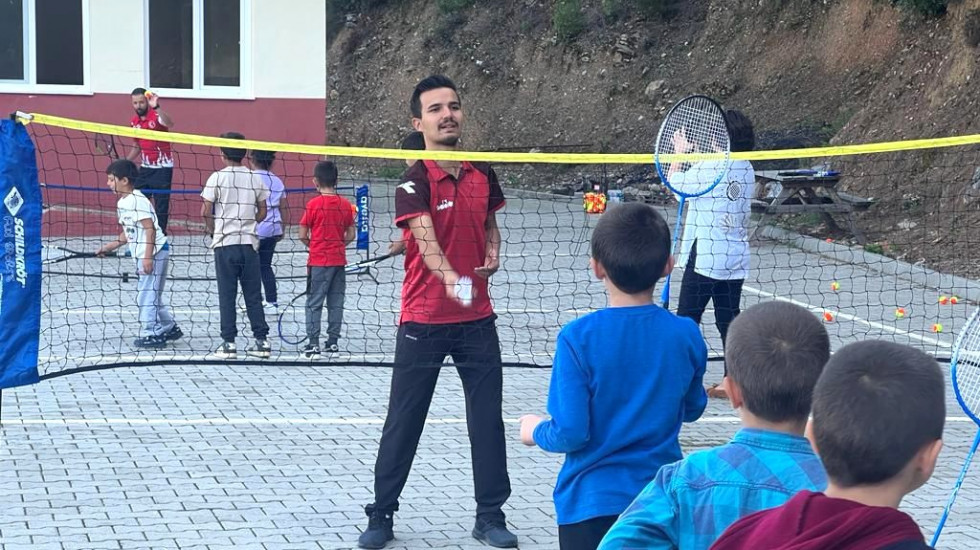
Humans of Shuttle Time: Mehmet Dinc
This is the 71st story in our Humans of Shuttle Time series, in which we present the perspectives of those who are involved with badminton at the grassroots level. Mehmet Dinc, Shuttle Time Tutor with Turkiye Badminton Federation, talks of his journey in badminton.
Childhood Days
I was born and raised in Gazipaşa, a small district in the province of Antalya, which was not a sporting city. However, my friends and I enjoyed playing sports. I completed my elementary, middle, and high school education here as well. During my first years of college, I obtained an assistant coach certification from the federation, followed by a basic coach certification. I completed my undergraduate and master’s degrees in Sports Sciences at Alanya Alaaddin Keykubat University. I am currently pursuing my PhD at the same university.
First Experience
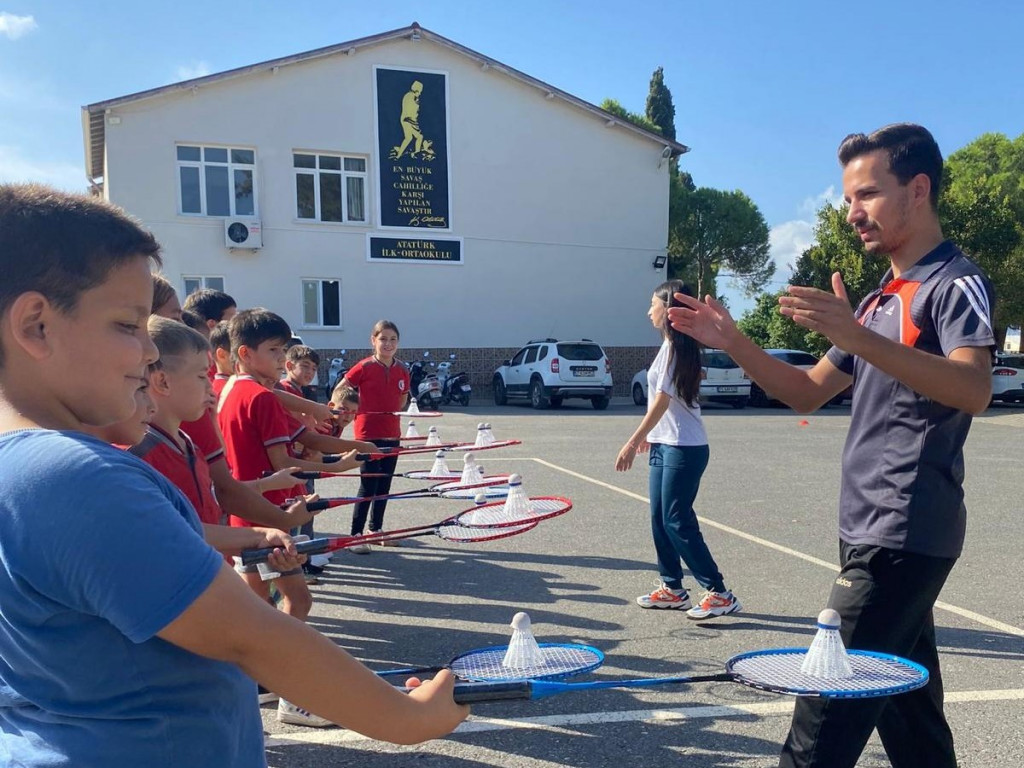
I first encountered badminton in middle school when I was 11. My coach at the time came to our school to introduce badminton. Since badminton was so much fun, it caught our attention, and we started playing with our friends — both in the schoolyard and in front of our house — as well as attending practice sessions.
It was a very different sport for us because the equipment was unusual. Once I started playing, I realised how much fun it was. But when I moved beyond just having fun and began participating in training sessions, the competitive aspect motivated me. I also came to love it even more because, compared to team sports or other disciplines, I found it to be a non-contact sport with a more forgiving nature.
Relationship With Badminton
We started playing at school after my coach came to give a presentation. Later, I began attending practice sessions. My coach took great care of us and inspired us with games and small competitions. He kept us there as competitive athletes. I achieved success for the first time by participating in an official tournament at age 12. This motivated me even more. We continued to compete and achieve success in high school as well. When I entered college, I began developing my skills in coaching. I became an assistant coach during my freshman year and earned the title of head coach by my sophomore year. In 2019, while still a student, I officially began working as a coach at a club. We achieved great success by taking athletes to Turkish championships. By forming and coaching school teams, we secured rankings at the provincial, regional, and national levels. As the head coach for Antalya Province, I lead teams to numerous competitions. To promote our sport in schools, we conducted badminton outreach programmes and provided equipment support.
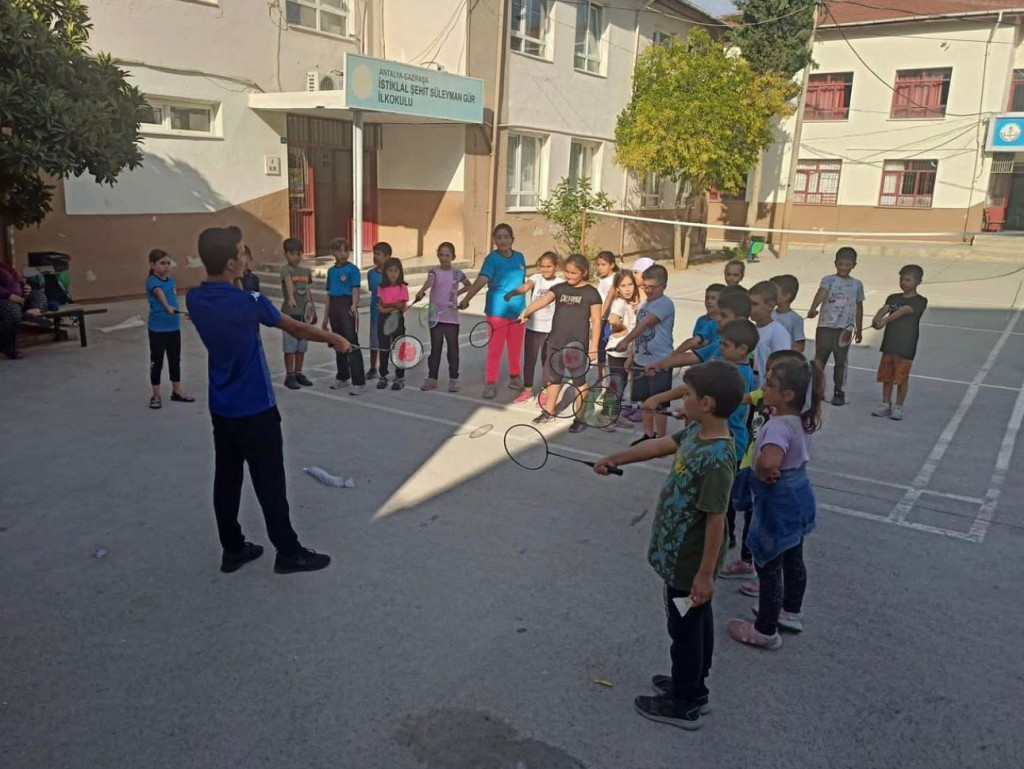
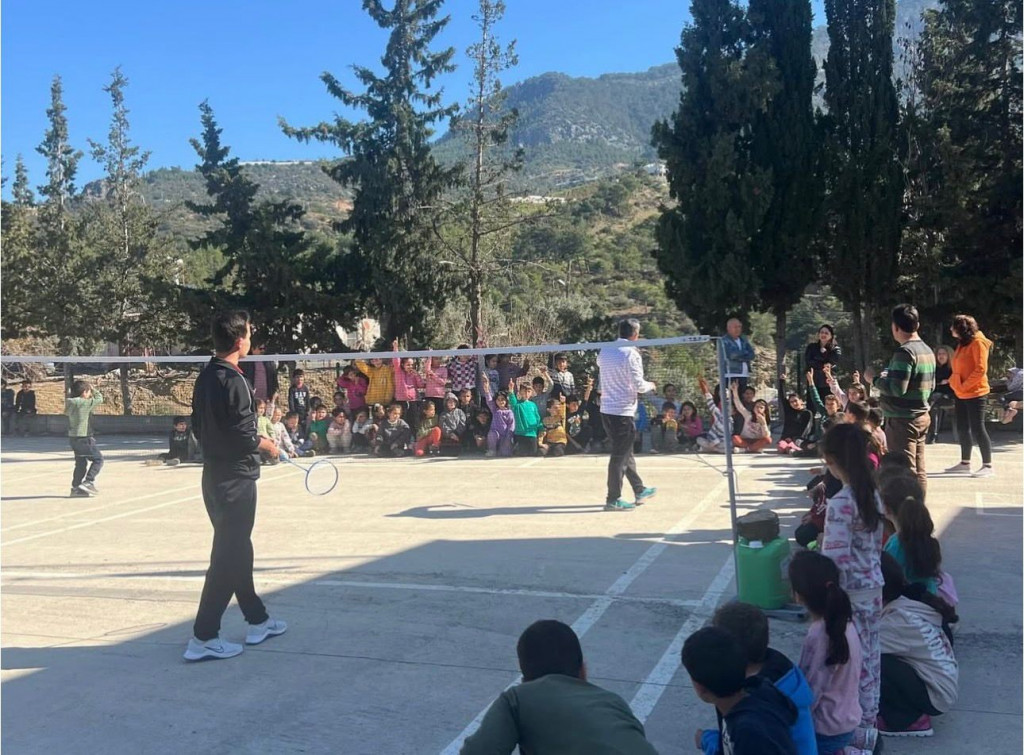
By introducing badminton to children in rural schools, we were able to reach underserved areas. I have trained athletes to the national team level. Currently, I continue to train elite athletes as a senior coach. Additionally, I teach badminton in physical education classes at five schools in the district, including three village schools and two central schools.
Memorable Events
Thanks to badminton, I’ve made friends and connections in many cities. Even in the cities I visit on vacation, I sometimes run into people I know from the badminton community, and that makes me happy.
What Badminton Means
Badminton is my passion. It’s also my profession. No matter what, I can’t stay away from it. Whether it’s a holiday, vacation, day off, or trip, I continue to be deeply involved with badminton. Being active in badminton is a source of pride for me. I continue to contribute to badminton both on the court and in the academic arena.
Developing Badminton in the Community
I enjoy teaching this sport, especially in rural schools. The students have a lot of fun when they play with me, and refuse to let me go. I also teach badminton to students with disabilities, another group facing challenges. Sometimes, while we’re doing movement exercises together, they ask, “When are we going to play badminton, teacher?” They really love badminton.
Impact of Shuttle Time
We’ve carried out similar projects in our region before. However, they weren’t as professional. We were mostly able to organise them as one-off or occasional events. But now, with Shuttle Time, we’ll be able to continue this in a more systematic way. This is important to us because consistency is crucial for expanding the programme.
Lessons From Shuttle Time
When we think about Shuttle Time training, we see that we’re helping children learn while having fun. This becomes a very important factor once they’re out on the field. Ensuring that children learn through play while supporting their self-confidence — without making them feel like they’ve failed — is truly very effective.
Previous Stories in this Series:
Humans of Shuttle Time: Damo Enou Marc
Humans of Shuttle Time: Alžbeta Peruňská
Humans of Shuttle Time: Ilayda Nur Ozelgul
Humans of Shuttle Time: Dixon Vargas Tejeda
Humans of Shuttle Time: Olga Munoz
Humans of Shuttle TIme: Anna Mae Sapinit
Humans of Shuttle Time: Moses Adu
Humans of Shuttle Time: Roxana Beatriz Hernandez
Humans of Shuttle Time: Sayfulnasr Keeshar Mohammed Alaqeebi
Humans of Shuttle Time: Andrii Ohnystyi
Humans of Shuttle Time: Gouzou Matthieu
Humans of Shuttle Time: Lorenzo Torres
Humans of Shuttle Time: Gabriel Martin
Humans of Shuttle Time: Alžbeta Peruňská
Humans of Shuttle Time: Yacin Mahmoud Ali
Humans of Shuttle Time: Asylbek uulu Meerbek
Humans of Shuttle Time: Anil Seepaul
Humans of Shuttle Time: Kazadi Kazadi Joel
Humans of Shuttle Time: Wilma Tupu
Humans of Shuttle Time: Laia Oset Moncho
Humans of Shuttle Time: Aisarova Jasmin
Humans of Shuttle Time: Saygufron Davletov
Humans of Shuttle Time: Rafael Lora
Humans of Shuttle Time: Graham Berry
Humans of Shuttle Time: Alaa Mohamed Youssef Fathy
Humans of Shuttle Time: Raul Jara Tacora
Humans of Shuttle Time: Lerato Lepheane
Humans of Shuttle Time: Genelyn Lansangan
Humans of Shuttle Time: Paulo Jerome Niniano Quidato
Humans of Shuttle Time: Josefa Matasau
Humans of Shuttle Time: Richard Gregory Wong
Humans of Shuttle Time: Alessandro Redaelli
Humans of Shuttle Time: Veronika Protassova
Humans of Shuttle Time: Robbert De Keijzer
Humans of Shuttle Time: Carolina M Vaughn
Humans of Shuttle Time: Sam Paterson
Humans of Shuttle Time: Deki Tshomo
Humans of Shuttle Time: Hadeel Mohammad Alomari
Humans of Shuttle Time: Daiverson Ferrari Rodrigues
Humans of Shuttle Time: Ammar Awad
Humans of Shuttle Time: Carolin Ruth
Humans of Shuttle Time: Caroline Brial
Humans of Shuttle Time: Danny Ten
Humans of Shuttle Time: Mohlala Mopeli
Humans of Shuttle Time: Tatiana Petrova
Humans of Shuttle Time: Levente Nagy-Szabó
Humans of Shuttle Time: Kumon Tarawa
Humans of Shuttle Time: Didier Nourry
Humans of Shuttle Time: Joseph Devenecia
Humans of Shuttle Time: Su Ying Lau
Humans of Shuttle Time: Erin Walklate
Humans of Shuttle Time: Bukasa Mukoma Marcel
Humans of Shuttle Time: Luis Fernando Montilla
Humans of Shuttle Time: Artur Niyazov
Humans of Shuttle Time: Galkhuu Zulbaatar
Humans of Shuttle Time: Zuzana Rajdugova
Humans of Shuttle Time: Milan Barbir
Humans of Shuttle Time: Nargis Nabieva
Humans of Shuttle Time: Hannes Andersson
Humans of Shuttle Time: Merlie Tolentino
Humans of Shuttle Time: Nikhil Chandra Dhar
Humans of Shuttle Time: Geoffrey Shigoli
Humans of Shuttle Time: Erik Betancourt Luna
Humans of Shuttle Time: Richard Ssali Kaggwa
Humans of Shuttle Time: Azizbek Madjitov
Humans of Shuttle Time: Elie Jean
Humans of Shuttle Time: Danielle Whiteside
Humans of Shuttle Time: Oscar Alejandro Vera Suarez
Humans of Shuttle Time: Sandra Low
Humans of Shuttle Time: Dorji
Humans of Shuttle Time: Genevieve Cutter
BWF World Tour News
Canada Open: Clean Sweep by Japan
6 July 2026
Canada Open: Okimoto Halts Lai’s Home Title Bid
5 July 2026
Where To Watch: YONEX Canada Open 2026
3 July 2026
Smashing Stats: Canada Open 2026
1 July 2026
BWF World Tour Calendar 2027-2028 Announced
30 June 2026
Canada Open: All Eyes on Lai
30 June 2026
US Open: Su, Christophersen Break Title Jinx
29 June 2026
US Open: Su Ends Chouhan’s Dream Run
28 June 2026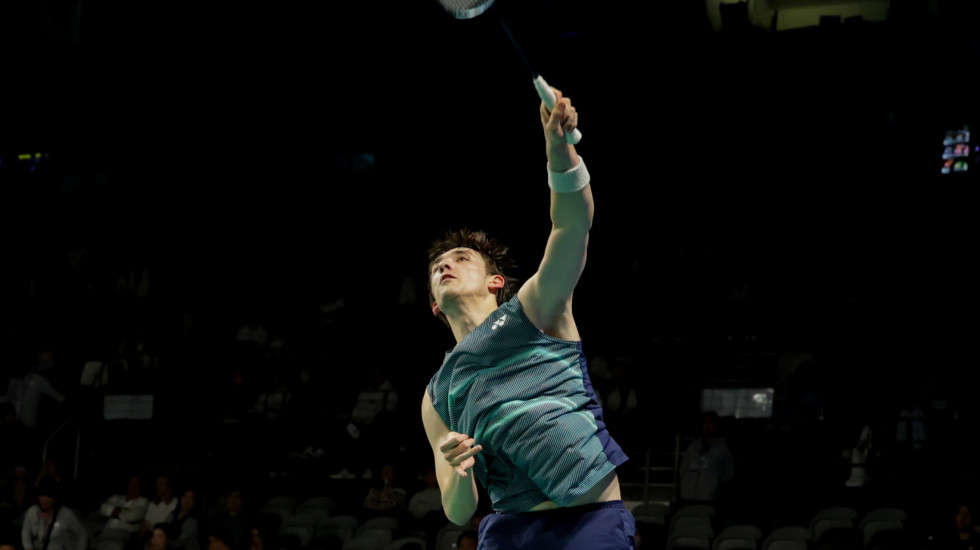
‘I Thought: What Am I Doing Here?’
Of the clutch of Pan Am players making a mark on the circuit, Presley Smith’s is perhaps the most unique story. After a not-so-promising start in his junior years, and embarking on a professional badminton journey far later than any of his peers, Smith has come a long way in quick time.
The highest-ranked Pan Am player in both men’s doubles (No.25 with Chen Zhi Yi) and mixed (No.17 with Jennie Gai), Smith has had several noteworthy performances in recent years. The graph has ticked upward this season, with quarterfinal performances at the Malaysia Open, a double at the Pan Am Individual Championships, and semifinals at his last three tournaments, in Australia, USA and Canada.
At the upcoming BWF World Championships 2026, Smith will be among the leading contenders from Pan Am in both his disciplines.
In this part one of a two-part interview, Smith talks about his unusual journey.
Childhood Years
I was born in Albany, New York, and we moved to Indianapolis, Indiana, when I was around one. We stayed there until I was nine, and then we moved to Baltimore. Indiana had no badminton at all. There was one small recreation centre my mum would go to.
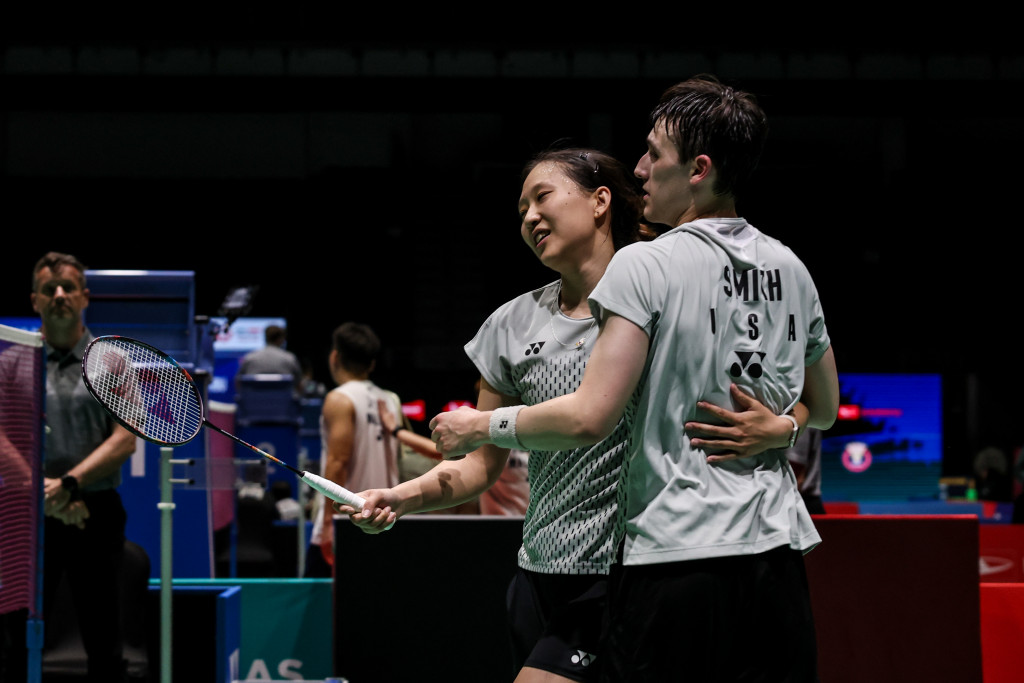
My mum is Taiwanese and she played recreational badminton. My dad was into wrestling and tennis; I think he was pretty good at tennis. When I was young, my mum would take me to the centre – I would just sit there and watch. I started playing when we moved to Baltimore. There was a club there, and I used to play tennis before that, but I didn’t like it so much. I quit, and then I started playing badminton for fun. That was when I was around nine years old. I just kept training at that same place till I graduated high school, until I was 18. I really enjoyed it. I loved the sport, so I put everything into it, but I wasn’t great as a junior player. I was pretty unknown.
All the people on the Tour today, like Jennie (Gai), Frankie (Corbett), Allison (Lee), I would see them in the junior circuit. They would always win. They would be on top, and I was always – I was like that kid losing first round (laughs).
Moving to Taipei
But I still really enjoyed playing. When I was in my later years, like Under-19, I started getting a little better. I was growing more, and then I got stronger, faster, and then some better results in juniors. I still wanted to play after that, and I didn’t want to do school right away. So my mum told me I could go to Taipei. We could go to her old school, and then if I wanted to find a place to train and I enjoyed it, I could stay. But the plan was like go there for one year and see if I enjoyed it first.
It was a 50-50 call, because it was still a risk. I didn’t know if I could find a place to train. But if I enjoyed the schooling there, I’d just stay and do school there and then just see how it went.
I moved in 2021. I really liked it. I found a good place to train – Land Bank of Taiwan. I ended up staying for three-four years.
I’d visited Taipei a lot before, for the summer, but it’s quite different to moving and going to school there.
Integrating Quickly
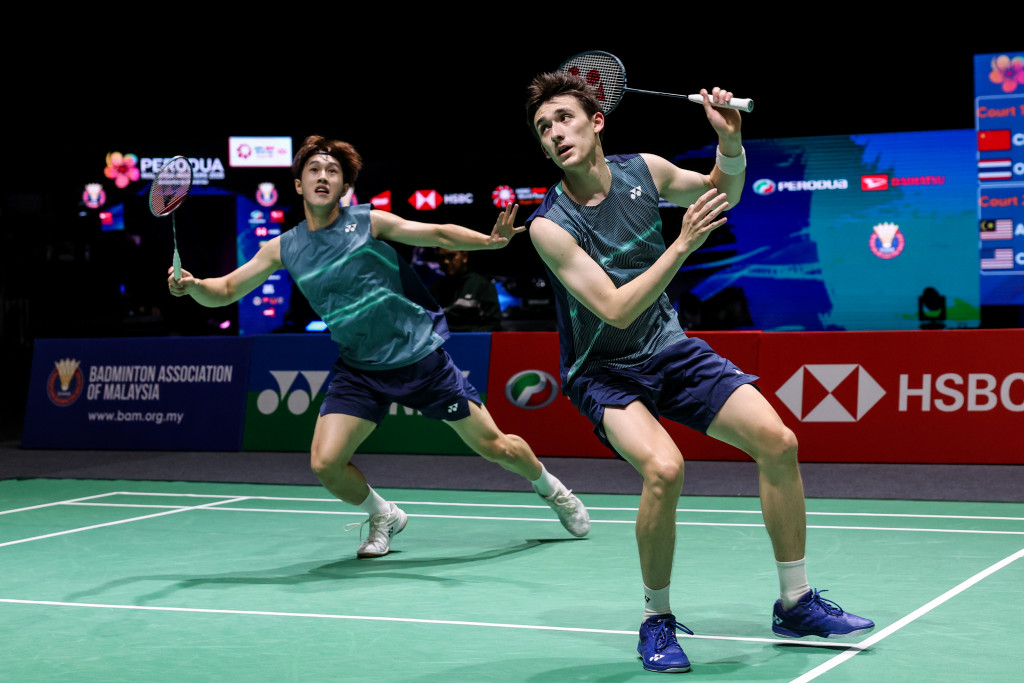
It was fun. I made a lot of friends and I started to really enjoy it. It’s quite different to US schooling. I could speak a little Mandarin and understand a little bit, so I had a little edge over someone who was completely fresh. So I had a little head start, which was helpful.
There was not much of a culture shock. My mum would speak to me in Mandarin, but I would reply in English. So, I could understand it very well, but my speaking was not (great) – even now my tones are off sometimes (laughs).
New Club, New Life
I was very lucky with the club. My mum had some connections and got me sort of a tryout with a team. They thought I was OK. I started off just training weekends, only Saturday, with their high school team.
Even then their high school team was a lot better than what I was playing with in the US, so I was pretty happy about it. I worked my way up. I got a lot better, and then I eventually started playing with the better players and then started integrating with the group a little more.
At the start it was so scary. The schooling part was easy, but walking into a club or their team, you see like these great players, like Wang Chi-Lin. These great players, that’s what hit me the most. I thought “What am I doing here? I don’t think I belong here”.
But I eventually worked my way up. I started with the high school, and then it took a while for me to gain confidence. I was always so quiet then too. I didn’t talk to people, but I always say to them, they’re all so nice. They’re so welcoming. They didn’t shun me at all. And eventually, after almost a year later, I started talking to everyone, and I felt like I could be a part of the group.
Part 2 to follow
BWF World Tour News
Canada Open: Clean Sweep by Japan
6 July 2026
Canada Open: Okimoto Halts Lai’s Home Title Bid
5 July 2026
Where To Watch: YONEX Canada Open 2026
3 July 2026
Smashing Stats: Canada Open 2026
1 July 2026
BWF World Tour Calendar 2027-2028 Announced
30 June 2026
Canada Open: All Eyes on Lai
30 June 2026
US Open: Su, Christophersen Break Title Jinx
29 June 2026
US Open: Su Ends Chouhan’s Dream Run
28 June 2026
Top Committed Player Programme 2026 | Tournament Cancellations
1) Top Committed Player Programme for 2026
Top Committed Players 2026 – List 2
Please find attached the full list of Top Committed Players for 2026, including the following:
- List 1: based on the World Ranking of 18 November 2025 (Top 15 singles / Top 10 doubles); and
- List 2: based on the World Ranking of 7 July 2026 (new Top 15 singles / new Top 10 doubles).
Top Committed Player Procedures – Mandatory Tournament Participation – 2026
As per clause 2.1, “Top Committed Players” for the entire calendar year (List 1) are required to play in the following tournaments in 2026:
- BWF World Tour Finals (if qualified);
- All Super 1000 Tournaments;
- All Super 750 Tournaments; and
- Two out of nine Super 500 Tournaments.
As per clause 2.2, “Top Committed Players” included as of 7 July 2026 (List 2) are required to play in the following tournaments in 2026 (starting from the LI-NING China Masters 2026, 1-6 September):
- BWF World Tour Finals (if qualified);
- All Super 1000 Tournaments;
- All Super 750 Tournaments; and
- One Super 500 Tournaments.
Failure to play in any required tournament will be subject to an additional penalty over and above any normal withdrawal fees (if applicable), as stated in the Table of Offences and Penalties (BWF Statutes, Section 2.4).
Exemptions from any penalties will be considered in case of injury, upon receipt and review of comprehensive medical documentation (e.g. formal/verifiable medical certificate, copies of MRI scans, etc.), or in certain exceptional circumstances with appropriate documentation. Otherwise, players can be exempted by travelling to the tournament to support promotional activities on-site.
Please find attached the current Top Committed Player Procedures document (18 November 2025), including how the BWF, respective Members, and hosts can best work together to ensure the appropriate participation of Top Committed Players in support of the HSBC BWF World Tour, and particularly the Super 1000, 750, and 500 levels of tournaments.
For more information on the Top Committed Player Regulations, please refer to BWF Statutes, Section 5.3.6 (Player Commitment Regulations), Clause 2.
2) Tournament Cancellations
Please note that the following tournaments have been cancelled:
- Abu Dhabi Masters 2026 – BWF Tour Super 100 – 29 September – 04 October 2026
- I Costa Rica International Junior U19 2026 – Junior Future Series – 08-13 September 2026
- Guyana GNR International 2026 – Future Series – 03-07 November 2026
More Information / Contact Person
If you have any questions, please contact:
- For the Top Committed Player Programme: Events Director – Technical Operations, Christopher Trenholme ([email protected]) or Technical Events Manager, Matthieu Hecker ([email protected]).
- For tournament cancellations: Head of Tournament Development, Fern Gilders ([email protected]).
BWF World Tour News
Canada Open: Clean Sweep by Japan
6 July 2026
Canada Open: Okimoto Halts Lai’s Home Title Bid
5 July 2026
Where To Watch: YONEX Canada Open 2026
3 July 2026
Smashing Stats: Canada Open 2026
1 July 2026
BWF World Tour Calendar 2027-2028 Announced
30 June 2026
Canada Open: All Eyes on Lai
30 June 2026
US Open: Su, Christophersen Break Title Jinx
29 June 2026
US Open: Su Ends Chouhan’s Dream Run
28 June 2026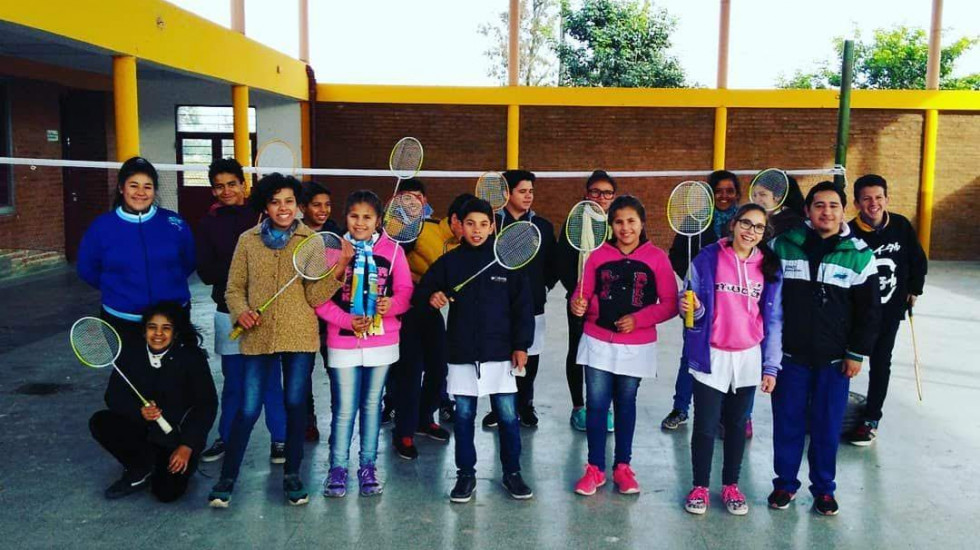
Building the Future of Argentine Badminton
In December 2023, during a National Administrator Workshop in Lima, Peru, a deceptively simple question sparked what would become a transformative national initiative for the Argentine Badminton Federation (FEBARA): “What should we do today to build the badminton we want in a decade?”
For FEBARA, the answer became Proyección 2036 – a long-term programme grounded in the idea that the future of sport begins with children.
The programme was so successful that it would be awarded the BWF Membership Grant Programme Impact Award in April 2026. It highlighted how a clear vision – combined with collective dedication – could overcome the limitation of resources.
A Shift in Perspective
Traditionally, the federation’s efforts had not focused on the youngest age groups. Proyección 2036 changed that. Early on, it became clear that teaching children badminton required more than rackets and courts.
Using BWF’s MA Grant, a programme was built on a holistic development model, integrating not only young players but also their families, schools, clubs, communities and local governments. This approach recognises that sustainable sporting growth depends on the environment that surrounds the athlete.
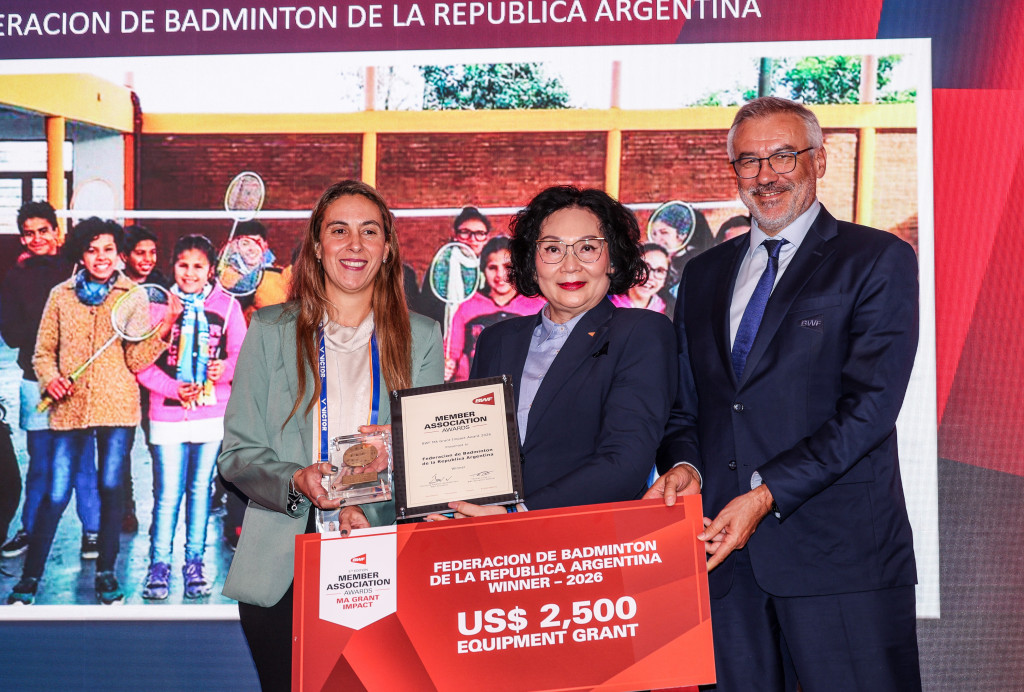
The programme sought to redefine the traditional concept of children’s events, with activities not conceived only as competitive events, but as platforms that combine sport, culture, local identity and family participation. The model also promoted coach education exchanges during events, encouraging peer learning and collaboration.
Supported by the BWF Membership Grant Programme, the initiative introduced educational tools, including a children’s storybook featuring mascots called Minton, Badmy, and Uma.
Uma, a wheelchair hare, raised awareness about inclusion and Para sport for children. A children’s storybook with badminton-themed fables brought the sport closer to young participants.
Within a year of its launch in 2024, six provinces and eight localities engaged in the programme. In 2025, three regional events and a major inter-provincial mini-badminton festival were conducted. In Santa Rosa, over a hundred children (Under-9 and Under-11) participated. A national event delivery guide was developed to systematise best practices.
“One of the programme’s most valuable aspects has been its ability to adapt to very diverse contexts,” said Daniel Pallarola, Vice-President of FEBARA. “Argentina is a vast country with very different regional realities. Proyección 2036 has made it possible to create a shared framework while respecting these local particularities, encouraging the participation of clubs, schools, local governments and families.”
Beyond Medals: Measuring Impact
The success of Proyección 2036 is not measured solely by competitive outcomes. Instead, its impact is visible in growing interest in mini-badminton, stronger collaboration among affiliated organisations, expansion into new regions and a vibrant and engaged badminton community.
Most importantly, children are forming lasting emotional connections with the sport – an essential foundation for long-term development.
Looking Ahead
The next phase of Proyección 2036 focuses on:
- Expanding territorial reach
- Enhancing coach and leader education
- Strengthening family involvement
- Developing richer learning experiences for children
Innovative approaches are also on the horizon, including research on adapted rackets tailored to children’s physical and developmental needs, and peer-learning programmes for coaches working with U9 and U11 categories.
These efforts reflect a commitment to continuous improvement and knowledge-sharing across the badminton community.
“Perhaps the greatest contribution of Proyección 2036 has been offering a vision of the future,” said Pallarola. “The programme has allowed many people to imagine that the development of Argentine badminton can be built in a planned, inclusive and sustainable way. This idea has generated enthusiasm and commitment among different actors within the sports system.”
BWF World Tour News
Canada Open: Clean Sweep by Japan
6 July 2026
Canada Open: Okimoto Halts Lai’s Home Title Bid
5 July 2026
Where To Watch: YONEX Canada Open 2026
3 July 2026
Smashing Stats: Canada Open 2026
1 July 2026
BWF World Tour Calendar 2027-2028 Announced
30 June 2026
Canada Open: All Eyes on Lai
30 June 2026
US Open: Su, Christophersen Break Title Jinx
29 June 2026
US Open: Su Ends Chouhan’s Dream Run
28 June 2026 Casual Vacancy on Council / Administrator Awards 2026 – Call for Nominations
1. Vacant Position on Council
This is to inform the BWF Membership that Zhang Jun has resigned from his position as BWF Council Member.
The resignation means there are two vacant positions on the BWF Council. Elections to fill these positions will take place at the AGM 2027. As per Clause 15.1 of the BWF Constitution, the BWF will inform the membership on the Closing Date for proposals and nominations no later than 31 October 2026.
2. Administrator Awards 2026
BWF is calling for nominations for the BWF Administrator Awards 2026.
The Administrator Awards recognise excellence, achievement and service to BWF, the sport and to the badminton community. We encourage Member Associations and Continental Confederations to look at the award categories below and consider nominating individuals.
The deadline for nominations is Wednesday 30 September 2026.
The system of awards is governed by the Award Regulations of the Statutes, Section 1.2.3 (linked here). Each award category has selection criteria, and the regulations defining who can nominate individuals / organisations for each award (see the summary below).
- Nomination Forms – download from this page – (linked here)
Complete the nomination form and send to Patricia Wong – [email protected]
Categories of Award
|
Award |
Description |
Who can Nominate? |
|
Lifetime Achievement Award
|
A highly prestigious award to recognise individuals who have made an exceptional and lifetime contribution to the sport as a coach, technical official, administrator and/or elected official. The nominee must have retired or be retiring from the sport. |
BWF Members BWF Recognised Para-sports organisations Continental Confederations Council |
|
Herbert Scheele Trophy
|
For outstandingly exceptional and long-standing service in the management / administration of badminton at an international level. |
Council |
|
Distinguished Service Award
|
Recognition of long and/or distinguished and exemplary service to badminton at the international level (at least 15 years’ service). |
Continental Confederations Council Technical Officials Commission |
|
Meritorious Service Award |
Honours exemplary service to badminton at the national level. |
BWF Members |
|
Certificate of Commendation
|
Recognises commercial and other external organisations that have rendered significant service to the sport for no less than three years. |
BWF Members BWF Recognised Para-sports organisations Continental Confederations Council |
|
Gender Equity and Diversity Award |
Recognises an individual (man or woman) or an organisation that has made a significant contribution towards the involvement of women or girls (or other under-represented groups) in badminton. Beyond being a strong role model, the nominee must also have actively contributed to the involvement of others in the promotion of the sport. |
Continental Confederations Council Member Associations
|
BWF World Tour News
Canada Open: Clean Sweep by Japan
6 July 2026
Canada Open: Okimoto Halts Lai’s Home Title Bid
5 July 2026
Where To Watch: YONEX Canada Open 2026
3 July 2026
Smashing Stats: Canada Open 2026
1 July 2026
BWF World Tour Calendar 2027-2028 Announced
30 June 2026
Canada Open: All Eyes on Lai
30 June 2026
US Open: Su, Christophersen Break Title Jinx
29 June 2026
US Open: Su Ends Chouhan’s Dream Run
28 June 2026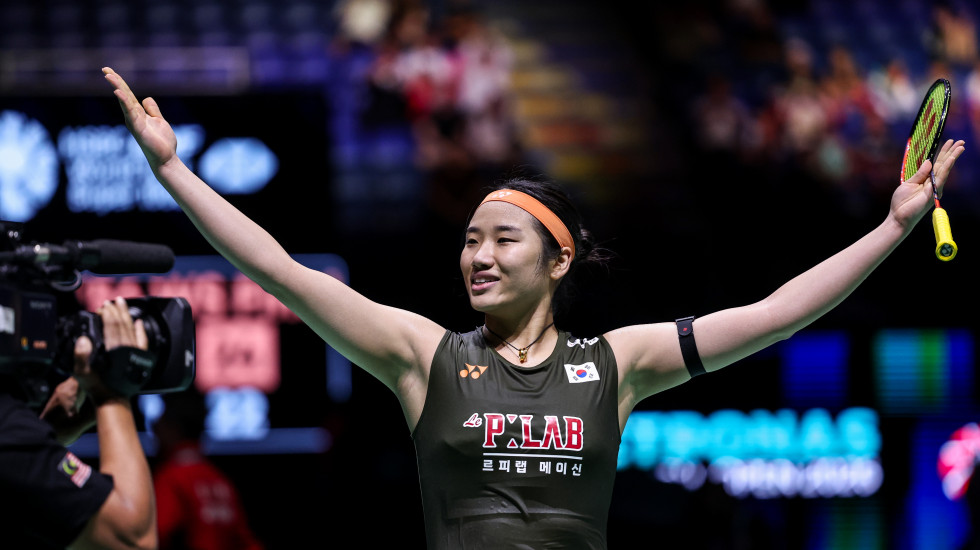
World Badminton Day in Quotes
We celebrate World Badminton Day through the words of those who know the sport best. These memorable quotes capture the passion, resilience and joy that define badminton.
View this post on Instagram
Women’s singles world No.1 An Se Young marked the day by encouraging others to pick up a racket.
“Badminton makes me feel wonderful. It gives people the opportunity not only to play together but also to bond with each other.”
Eighteen-year-old Rini, participant of a BWF Shuttle Time activity.
“Whenever I see their happy faces, I feel relieved. It reminds me of my passion for badminton when I was young.”
Kingsley Mah Wei Yi, a team leader for the activity, on seeing 71 children participate in the project.
View this post on Instagram
A grateful Angela Yu, Australia’s women’s doubles star.
“When children go from not knowing how to do something to understanding and enjoying it, that’s the best moment for me.”
Shuttle Time coach Ng Shu Er Christina on introducing badminton to teenagers.
“When I won my first World Championships medal, it gave me a lot of confidence. That took me forward and helped me grow.”
Pusarla V. Sindhu shares what her bronze at Guangzhou 2013 did to her career.
“We may be opponents on court, but off court we support, admire and rely on one another. I have friends in almost every country I’ve competed in.”
WH2 great Chan Ho Yuen Daniel on the Para badminton community.
“I’m grateful to badminton for all the wonderful people I’ve met and the experiences it has given me. I hope to continue growing alongside this sport that I love so much, while never forgetting the joy I felt back then.”
Japan’s Paris 2024 women’s doubles bronze medallist Nami Matsuyama.
“We celebrate each member of our badminton family. Wherever you are, pick up a racket, enjoy a match and share it with someone new. Raise a racket for the sport we love. Happy World Badminton Day.”
BWF President Khunying Patama Leeswadtrakul delivered a special World Badminton Day message to the badminton community.
BWF World Tour News
Canada Open: Clean Sweep by Japan
6 July 2026
Canada Open: Okimoto Halts Lai’s Home Title Bid
5 July 2026
Where To Watch: YONEX Canada Open 2026
3 July 2026
Smashing Stats: Canada Open 2026
1 July 2026
BWF World Tour Calendar 2027-2028 Announced
30 June 2026
Canada Open: All Eyes on Lai
30 June 2026
US Open: Su, Christophersen Break Title Jinx
29 June 2026
US Open: Su Ends Chouhan’s Dream Run
28 June 2026
Closed Tournaments (Grade 4) Sanction Application
Following the BWF Council Meeting in April 2026, regulations were approved regarding the implementation of Closed (Grade 4) Tournaments and the awarding of World Ranking points to those tournaments that meet the regulated criteria.
Closed tournaments are restricted to a predefined group of Member Associations, linked by regional, institutional, or organisation affiliation.
Sanction applications will follow a nine (9) month sanction period. However, for the first year of implementation, a shorter sanction application window is being applied.
Only two (2) Grade 4 tournaments will be approved per Continent per calendar year.
Acceptance Criteria
When determining which two Grade 4 tournaments per Continent may be eligible to receive BWF World Ranking Points, the following criteria will be considered:
Eligibility Criteria: The tournament must be open to seven (7) or more Member Associations.
Historical Delivery: The host Member Association must be able to demonstrate that they have held previously established badminton tournaments.
Participation Spread: Participation spread may include the number of participating Member Associations, balance of entry distribution, and geographical representation within the eligible group.
This will also consider the number of Grade 4 tournaments that a Member Association can access to ensure that a proportion of Member Associations do not have unfair access to multiple closed tournament opportunities.
Development value: for the sport of badminton.
Endorsement: from the respective ‘hosting’ Continental Confederation.
How to apply
Application requests must be made through the Host Member Association and using the following forms link.
The deadline for applications for those wishing to be considered for hosting a Closed Tournament between 1st January 2027 and 30th June 2027 is 23:59 hr (Kuala Lumpur, Malaysia time zone) Monday 31st August 2026.
More Information / Contact Person
We would encourage Member Associations to familiarise themselves with the new regulations relating to Grade 4 tournaments.
General Competition Regulations (Section 5.1) – Updated to reflect the implementation of Closed (Grade 4 Tournaments) – see Chapter 5 – Competition Regulations – Section 5.1 (linked here).
World Ranking System (Section 5.3.3.1) – Regulation adjustments relating to the implementation of Closed (Grade 4 Tournaments) (linked here).
Please contact Fern Gilders – Head of Tournament Development – ([email protected]), should you have any questions.
BWF World Tour News
Canada Open: Clean Sweep by Japan
6 July 2026
Canada Open: Okimoto Halts Lai’s Home Title Bid
5 July 2026
Where To Watch: YONEX Canada Open 2026
3 July 2026
Smashing Stats: Canada Open 2026
1 July 2026
BWF World Tour Calendar 2027-2028 Announced
30 June 2026
Canada Open: All Eyes on Lai
30 June 2026
US Open: Su, Christophersen Break Title Jinx
29 June 2026
US Open: Su Ends Chouhan’s Dream Run
28 June 2026